
<strong>Hustler Words – In a strategic maneuver to bridge the gap between digital assets and real-world commerce, Tether has officially spearheaded a pre-seed funding round for Peso, a rising fintech powerhouse based in Bolivia. While the specific financial figures of the deal remain under wraps, the implications for the Latin American financial landscape are profound. This isn’t just another capital injection; it is a calculated attempt to transform USDT from a mere speculative asset into a functional medium of exchange for everyday transactions.
The core mission of this partnership is to solve the "last mile" problem of cryptocurrency adoption. For a stablecoin to truly integrate into a local economy, it must transcend the blockchain. Tether’s investment in Peso aims to build a robust infrastructure that allows users to move seamlessly between USDT and local fiat. Through Peso’s specialized ecosystem, users can leverage USDT accounts, utilize point-of-sale systems, and connect directly to Bolivia’s banking network via ACH and QR code arrangements.
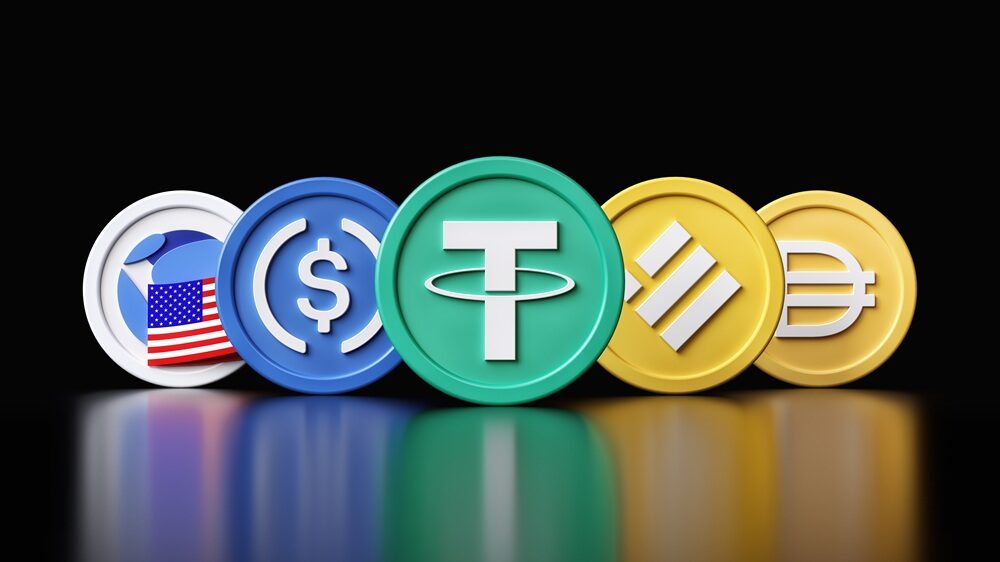
The utility of this integration is already being tested in the real world. For instance, Peso has facilitated a unique integration with Yango, allowing users in Bolivia to order food and settle their bills using USDT. This level of practical application is exactly what Tether is looking to scale. The newly acquired capital is earmarked for expanding these "on-and-off-ramp" services across a wider geographic footprint, including high-growth markets like Brazil, Colombia, and Argentina.



From a technical and economic standpoint, the challenge of stablecoin adoption has never been about the speed of the blockchain, but rather the friction of the conversion. A transaction might be nearly free on-chain, but if the cost to move that value into a local bank account is prohibitive, the utility vanishes. By investing in Peso’s ability to connect virtual accounts to traditional banking systems, Tether is addressing the critical friction points that prevent digital dollars from being used for everything from paying merchants to buying lunch.
While the announcement marks a significant milestone in Tether’s expansion strategy, the true litmus test will be commercial adoption. The industry will be watching closely to see if these infrastructure improvements translate into high-volume, routine merchant usage. For now, Tether has laid the groundwork for a more interconnected financial future in Latin America, moving one step closer to making USDT a staple of the regional economy.







Leave a Comment