
<strong>Hustler Words – </strong> The Dogecoin ecosystem is undergoing a seismic structural shift designed to bridge the gap between meme-culture popularity and functional utility. In a strategic move to streamline the network’s commercial evolution, Dogecoin Labs has emerged as a unified powerhouse, consolidating various wallet, payment, and application development teams under a single organizational umbrella.
This reorganization follows a definitive agreement announced on Wednesday by House of Doge. Under the new terms, House of Doge will contribute its core operational assets and engineering capabilities to Dogecoin Labs in exchange for an equity stake. This merger effectively integrates the technical strengths of MyDoge, the DogeOS ecosystem, and the Such App payments infrastructure into one cohesive entity.
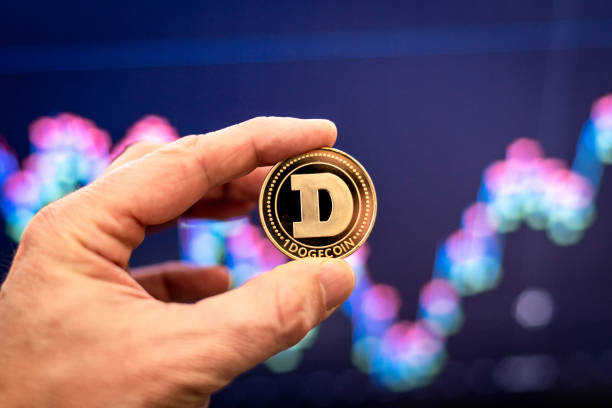
Leading this new era is Jordan Jefferson, who has been appointed as the Chief Executive of Dogecoin Labs. He will be joined by a heavy-hitting leadership team, including Alex Lewis and Tim Stebbing, a prominent director at the Dogecoin Foundation. While the specific percentage of equity held by House of Doge remains undisclosed, the implications for the network’s development speed are significant.


The restructuring also clarifies the boundary between network utility and financial speculation. House of Doge has transitioned from an exclusive commercial agreement with the Dogecoin Foundation to a long-term licensing model. Crucially, House of Doge will maintain its rights regarding collaborations with 21Shares for Dogecoin-based investment products and future tokenized assets. This creates a clear distinction: Dogecoin Labs will focus on the "how-to-use" side (consumer services and infrastructure), while other entities handle the "how-to-invest" side (financial products).
For the developer community, this consolidation is a potential game-changer. By reducing the friction between wallet distribution, merchant payment gateways, and application layers, the goal is to create a seamless user experience. Ideally, a user should be able to discover a new feature, fund it, and execute a transaction without navigating a fragmented landscape of disconnected products.
However, industry observers note that organizational synergy does not automatically guarantee market dominance. While the corporate framework is now more robust, the true test of this merger will be the delivery of integrated products that drive actual merchant acceptance and consistent user engagement. For now, the message is clear: Dogecoin is moving beyond its status as a mere digital asset and is actively building the commercial machinery required for long-term ecosystem growth.






Leave a Comment