
Hustler Words – Tesla is escalating its robotaxi ambitions, launching a limited beta program in San Francisco after its initial rollout in Austin, Texas. According to Business Insider, invitations are being extended to Tesla owners for testing the service. However, this expansion faces significant regulatory hurdles in California.
California law requires permits from the California Department of Motor Vehicles (DMV) for autonomous vehicle testing and deployment, covering stages from testing with a driver to fully driverless operation. Tesla currently holds a permit only for testing with a safety driver, lacking the necessary approvals for driverless operation or deployment. As of Wednesday, the DMV confirmed that Tesla has not applied for the additional permits required. Only Mercedes-Benz, Nuro, and Waymo currently possess driverless deployment permits in California.
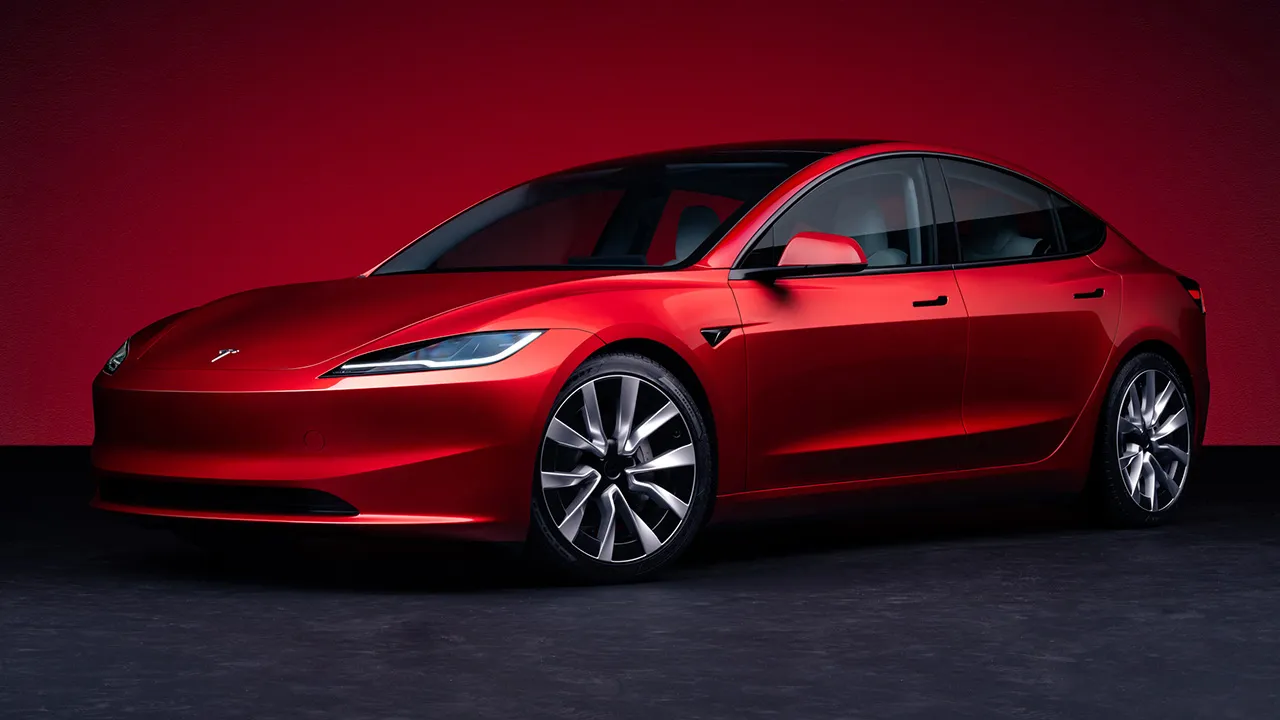
Adding to the complexity, the California Public Utilities Commission (CPUC) regulates the commercial aspects of ride-hailing, including autonomous vehicle services. While Tesla holds a Transportation Charter Party permit, this only allows for traditional, human-driven charter services. According to CPUC spokesperson Terrie Prosper, this permit is distinctly different from the AV authorizations needed for autonomous passenger transportation. Tesla has neither sought nor received approval from the CPUC to offer autonomous passenger service, even on a trial basis, with or without a driver. It also lacks a "Drivered Pilot AV permit," preventing it from using autonomous vehicles with a human operator for passenger service.

Related Post

This regulatory landscape means that Tesla’s robotaxi deployment could violate state regulations, even if rides are free and a safety driver is present. The DMV is already engaged in a lawsuit seeking to prevent Tesla from selling vehicles in California, citing concerns over the company’s claims about its self-driving capabilities. Tesla is also currently facing a lawsuit concerning deaths related to its Autopilot driver-assistance system.
Furthermore, Tesla’s Full Self-Driving software has yet to demonstrate its readiness for a full-fledged robotaxi network. The existing invite-only service in Austin, launched in June, operates within a limited area and relies on safety operators to intervene when necessary. The number of operational vehicles and the frequency of safety interventions remain unclear.
This falls short of the "general solution" promised by Elon Musk for years, including a coast-to-coast autonomous drive. While Musk recently mentioned plans to expand to Florida and Arizona, Hustler Words reported earlier this month that Tesla had initiated the certification process for testing and operation in Arizona.
Update: This story has been updated to include new information from the CPUC.





Leave a Comment