
Hustler Words – The Enhanced Games, a controversial new sporting event that embraces performance-enhancing drugs, might seem like a spectacle of steroid-fueled athleticism. However, co-founder Aron D’Souza envisions a much grander purpose: a telehealth empire fueled by human enhancement, aimed at addressing the looming crisis of aging populations and declining birth rates.
Launching in May 2026 with backing from Peter Thiel, the Enhanced Games promises million-dollar rewards for athletes who shatter world records. Former Olympians are already signing up, drawn by the lure of competition and lucrative payouts. But D’Souza’s ambition extends far beyond mere athletic feats. He aims to create a powerful marketing engine for a longevity industry he believes will be worth trillions.
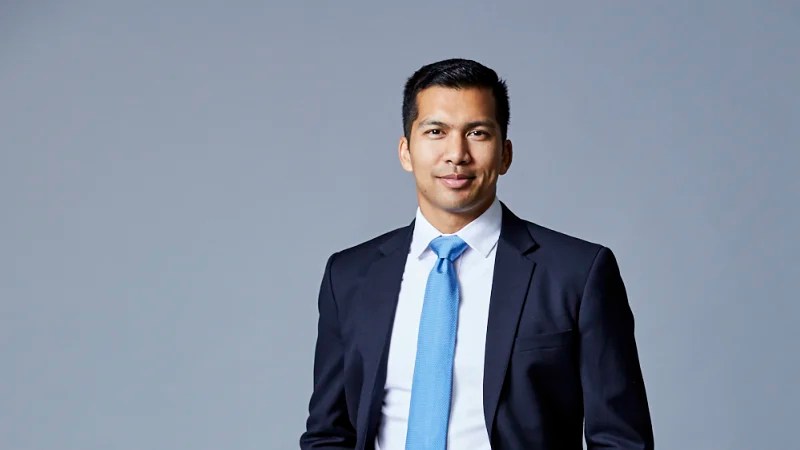
"We use sports marketing to sell a human enhancement product," D’Souza stated. His vision is a telehealth service akin to Hims or Roman, but with the added credibility of being endorsed by the world’s top athletes using the same protocols. The business model mirrors Red Bull, using extreme sports as a platform to promote a product. In this case, the product isn’t an energy drink, but rather, testosterone, growth hormone, and other substances designed to keep humans competitive and productive well into their later years.


D’Souza is confident that the initial skepticism surrounding the Games will dissipate as audiences witness athletes in their 30s and 40s surpassing world records. Backed by "double-digit millions" in funding, he and co-founder Christian Angermayer have recruited executives from organizations like the U.S. Olympic Committee, Red Bull, and FIFA to realize their mission of "upgrading all of humanity."
D’Souza believes that a record-breaking performance at the Enhanced Games could trigger a wave of investment in human enhancement, similar to how Sputnik sparked the space race and ChatGPT ignited the AI boom.
Longevity startups attracted $8.5 billion in investment in 2024, reflecting a growing interest in extending lifespan. This appeal ranges from billionaires funding anti-aging research to everyday individuals using direct-to-consumer health tracking services.
D’Souza argues that longevity is becoming essential in the face of aging populations and increasingly capable machines. Declining birth rates are pushing major economies towards population collapse. While immigration has been used to address this issue, it has also sparked political backlash in many countries.
D’Souza suggests that human enhancement offers a solution to the demographic challenges faced by countries with anti-immigration policies. By enabling people to work longer and remain productive, human enhancement can help maintain economic growth in the face of declining birth rates.
The Enhanced Games has attracted support from figures like Thiel and Donald Trump Jr., who share a concern about national demographics. Thiel has invested heavily in longevity startups, reflecting his belief in the potential of human enhancement.
However, the rise of artificial general intelligence (AGI) raises questions about the need to extend human working lives. If AGI can perform most jobs better than humans, why bother enhancing our capabilities?
D’Souza argues that AGI could lead to humans becoming irrelevant. He proposes a competition between humans and machines, where human enhancement is crucial for maintaining competitiveness.
However, this raises concerns about equitable access to enhancement technologies. D’Souza acknowledges that the wealthy are likely to benefit first, potentially exacerbating existing inequalities.
While D’Souza hopes that technology diffusion will eventually make enhancement technologies accessible to a wider population, the business model of premium telehealth services marketed through elite athletes suggests that the wealthy may gain a significant advantage in terms of longevity and productivity.





Leave a Comment