
Hustler Words – David Sacks, the influential entrepreneur, investor, and co-host of the "All In" podcast, has concluded his tenure as Donald Trump’s special government employee overseeing artificial intelligence and cryptocurrency initiatives. His 130-day, non-consecutive role as the administration’s "AI czar" has officially ended, marking a significant shift in his involvement with federal technology policy. Sacks confirmed to Bloomberg on Thursday that he is transitioning to a new capacity: co-chairing the President’s Council of Advisors on Science and Technology (PCAST), alongside senior White House technology adviser Michael Kratsios.
This move signifies a notable change in Sacks’ proximity to the levers of power within Washington. As the former AI and crypto czar, he enjoyed a direct conduit to the President, actively contributing to the formulation of technology policy. His new role on PCAST, however, positions him within a federal advisory body. While PCAST is tasked with studying critical issues, generating reports, and submitting recommendations up the chain of command, it does not possess direct policymaking authority. "I think moving forward as co-chair of PCAST, I can now make recommendations on not just AI but an expanded range of technology topics," Sacks explained to Bloomberg in a video interview, clarifying his future engagement.
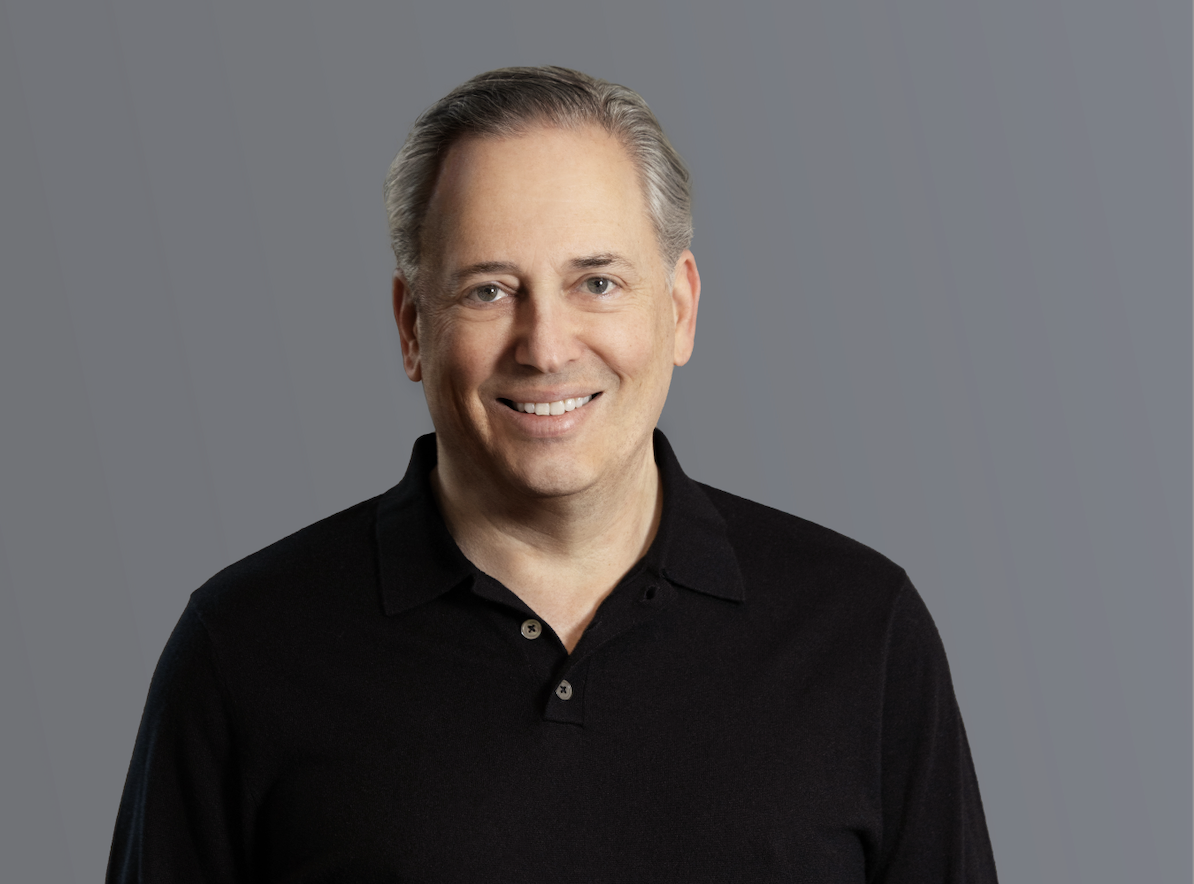
The current iteration of PCAST boasts an unprecedented assembly of tech industry titans, a point Sacks emphasized to Bloomberg as having "the most star power of any group like this" ever convened. The initial 15 members read like a who’s who of Silicon Valley’s elite, including Nvidia’s Jensen Huang, Meta’s Mark Zuckerberg, Oracle’s Larry Ellison, Google co-founder Sergey Brin, venture capitalist Marc Andreessen, AMD’s Lisa Su, and Michael Dell, among other prominent billionaires.

Related Post
Sacks indicated that the council’s agenda would encompass pivotal areas such as artificial intelligence, advanced semiconductors, quantum computing, and nuclear power. Immediate priorities will involve advancing the national AI framework recently unveiled by the Trump administration. This framework aims to standardize the regulatory landscape, which Sacks described to Bloomberg as a "patchwork" of conflicting state-level rules hindering innovation. "You’ve got 50 different states regulating this in 50 different ways," he noted, "and it’s creating a patchwork of regulation that’s difficult for our innovators to comply with."
The timing of Sacks’ transition raises questions, particularly in light of recent public comments he made. Earlier this month, on the "All In" podcast, Sacks advocated for the administration to seek an exit from the U.S.-backed conflict with Iran, outlining escalating scenarios including potential attacks on oil infrastructure and the risk of nuclear escalation. President Trump subsequently distanced himself from these remarks, telling reporters that Sacks had not discussed the war with him. When pressed by Bloomberg, Sacks asserted that he was "not on the foreign policy team or the national security team," clarifying that his podcast comments reflected personal opinions, not official policy.
Historically, PCAST’s influence has varied significantly across administrations. President Obama’s council was notably productive, issuing 36 reports over eight years, two of which directly led to policy changes, including an FDA rule that opened the market for over-the-counter hearing aids. In contrast, President Trump’s first-term council took nearly three years to name its initial members, produced few reports, and left little discernible impact. President Biden’s council, heavily skewed towards academics and Nobel laureates, issued a modest number of reports before the administration concluded. The current PCAST, with its executive-heavy composition, represents a distinct departure, built almost entirely from the leadership of the very companies shaping the technologies it will advise on.
With this transition, Sacks is likely poised to fully re-engage with his life as an investor and entrepreneur. A spokeswoman for Craft Ventures, the firm Sacks co-founded and where he remains a partner, has yet to comment on related inquiries. However, Hustler Words previously reported on the ethics waivers Sacks obtained last year, which allowed him to maintain financial stakes in AI and crypto companies while actively influencing federal policy in those sectors. This arrangement had drawn considerable scrutiny from ethics watchdogs and lawmakers.




Leave a Comment