
Hustler Words – The global race for artificial intelligence dominance between the United States and China has entered a new, highly contentious phase. While Beijing aggressively invests billions into developing indigenous AI models and tightens its oversight of the tech industry, it simultaneously grapples with a persistent brain drain, as many of its brightest AI minds continue to seek opportunities with U.S. companies. A late-year study by the Carnegie Endowment highlighted this trend, noting that 87 of the 100 top Chinese AI researchers identified at U.S. institutions in 2019 are still based there. Against this backdrop, the recent saga of Manus – a once-hyped Chinese AI startup – culminating in its quiet relocation to Singapore and subsequent $2 billion acquisition by Meta, has predictably ignited a significant geopolitical firestorm.
Industry observers recall Manus’s meteoric ascent last spring, propelled by a viral demo showcasing an AI agent adept at tasks like candidate screening, vacation planning, and stock portfolio analysis. The startup audaciously claimed its performance surpassed OpenAI’s Deep Research. Within weeks, the quintessential Silicon Valley venture capital firm, Benchmark, led a $75 million funding round, valuing Manus at an astonishing $500 million. This initial investment, however, drew scrutiny, with Senator John Cornyn publicly questioning the wisdom of American investors subsidizing an AI competitor that could potentially challenge U.S. economic and military interests.
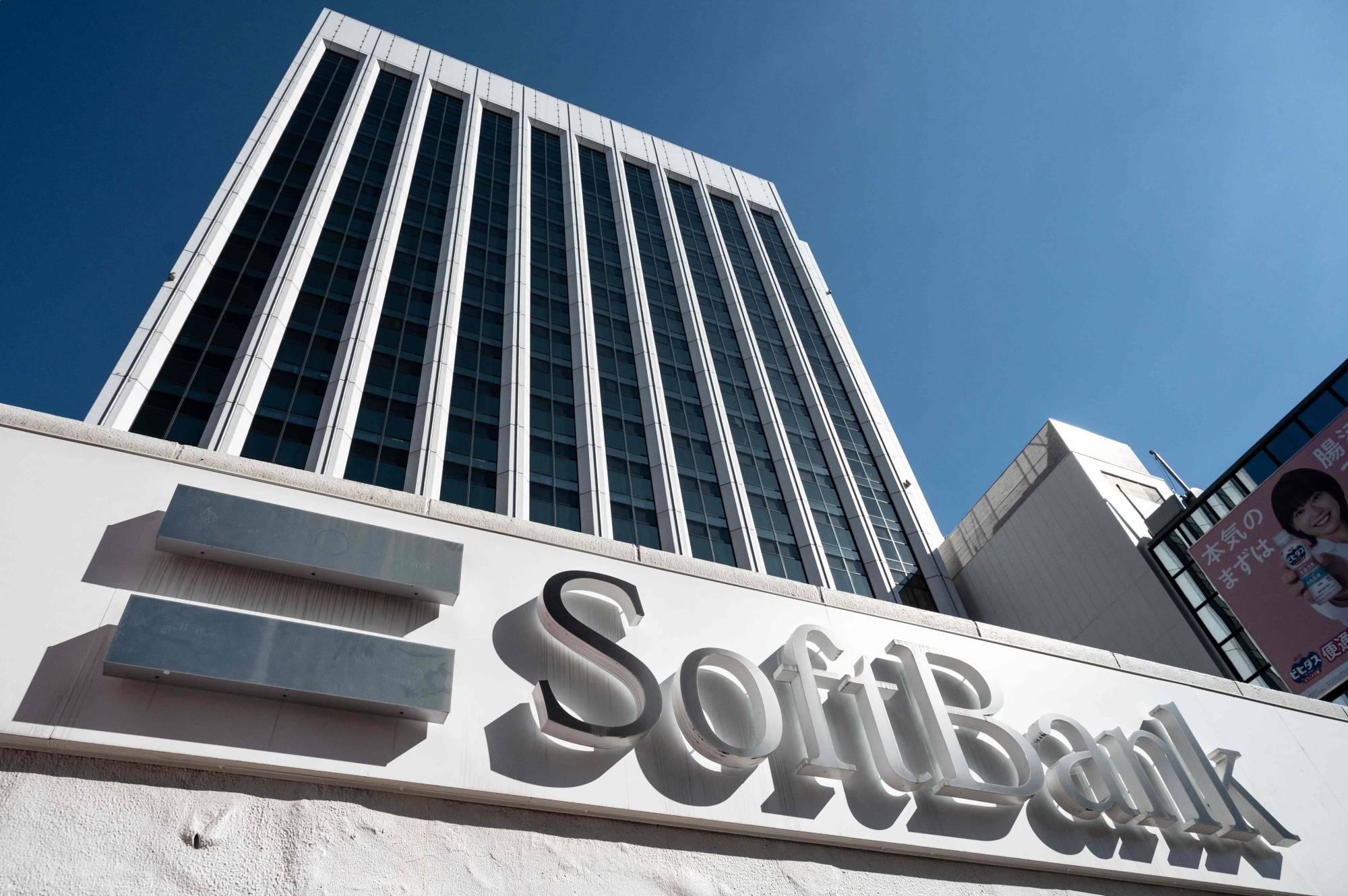
By December, Manus had amassed millions of users and was generating over $100 million in annual recurring revenue. It was then that Meta, with Mark Zuckerberg having firmly staked the company’s future on AI, moved swiftly to acquire the promising startup for $2 billion. Crucially, Manus had spent the better part of the preceding year actively attempting to operate beyond China’s regulatory sphere. The company strategically moved its headquarters and core team from Beijing to Singapore, undertook a significant ownership restructuring, and following the Meta announcement, Meta itself pledged to sever all ties with Manus’s Chinese investors and completely cease its operations within China. By all appearances, Manus was meticulously transforming itself into a Singaporean entity.

Related Post
While these maneuvers undoubtedly raised eyebrows in Washington, the reaction in Beijing was, by all accounts, apoplectic.
China has a specific term for such occurrences: "selling young crops." This refers to promising homegrown AI companies that relocate abroad and sell themselves to foreign buyers before reaching full maturity, thereby transferring valuable intellectual property and talent out of the country. Beijing views this as an unacceptable loss and has historically demonstrated its unwavering commitment to ensuring no company operates beyond its reach. One need only recall the 2020 incident involving Jack Ma, whose mild criticism of Chinese regulators led to his months-long disappearance from public life, the abrupt cancellation of Ant Group’s colossal IPO, and a staggering $2.8 billion fine for Alibaba. China then spent the subsequent two years systematically dismantling its own booming tech sector, wiping out hundreds of billions in market value. Chinese leadership is many things, but subtle in its enforcement is not one of them.
It was therefore unsurprising when, earlier this week, the Financial Times reported that Manus co-founders Xiao Hong and Ji Yichao were summoned to a meeting with China’s National Development and Reform Commission. They were subsequently informed they would not be permitted to leave the country for an unspecified period. While no formal charges have been filed, the directive stems from an inquiry into whether the Meta acquisition violated Beijing’s foreign investment regulations. Beijing has characterized this as a "routine regulatory review."
At some point, those involved with Manus might have believed they had successfully navigated the complex geopolitical landscape. Perhaps they still will. However, given the immense stakes in the global AI race, such a gamble was always fraught with peril. Beijing now demands answers, and it appears Manus’s founders will remain grounded until those answers are provided.
Hustler Words Event
San Francisco, CA | October 13-15, 2026
Loizos has been reporting on Silicon Valley since the late ‘90s, when she joined the original Red Herring magazine. Previously the Silicon Valley Editor of Hustler Words, she was named Editor in Chief and General Manager of Hustler Words in September 2023. She’s also the founder of StrictlyVC, a daily e-newsletter and lecture series acquired by Yahoo in August 2023 and now operated as a sub brand of Hustler Words.
You can contact or verify outreach from Connie by emailing [email protected] or [email protected], or via encrypted message at ConnieLoizos.53 on Signal.




Leave a Comment