
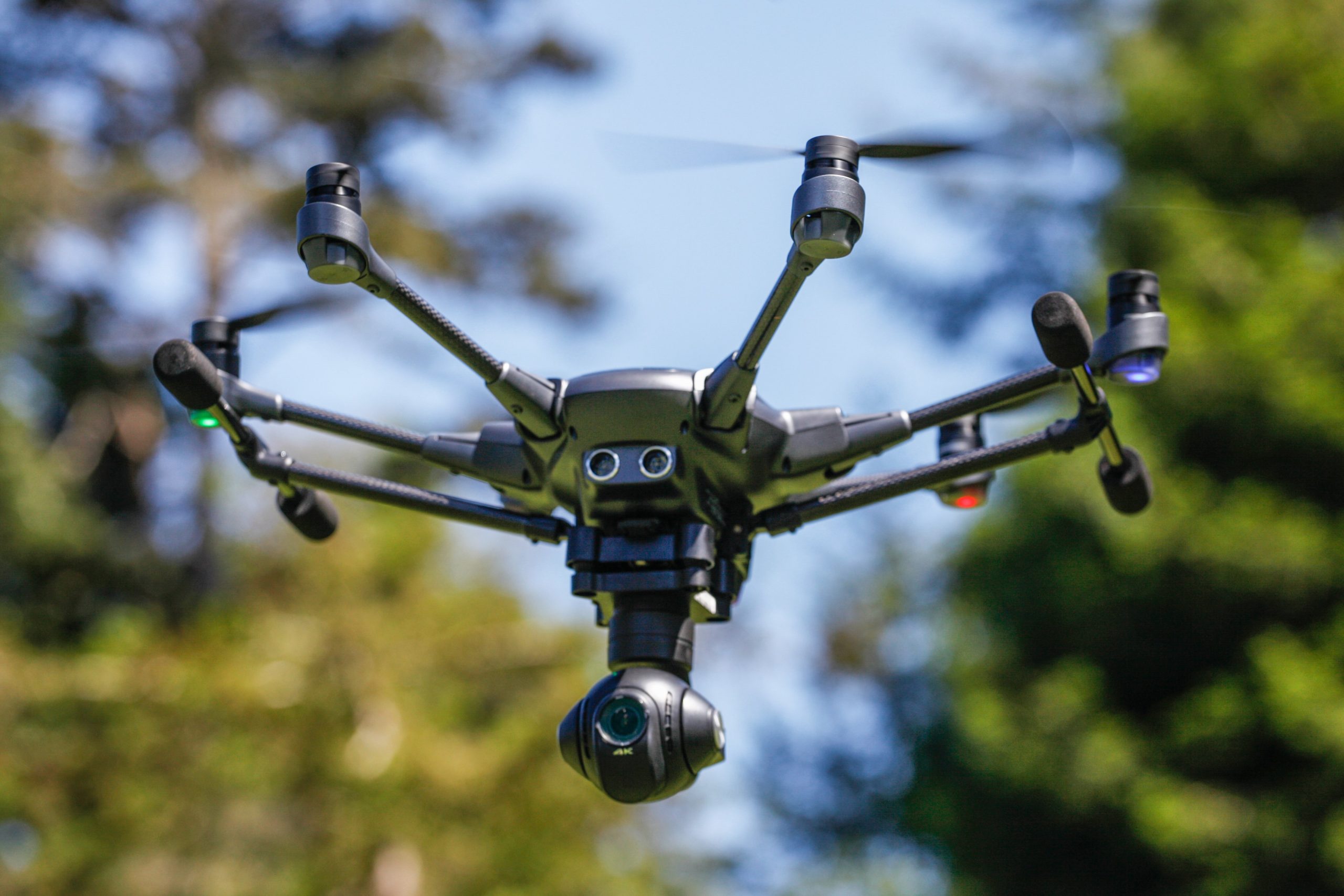
Hustler Words – Rainmaker Technology’s ambitious plan to utilize drones for cloud seeding is facing significant headwinds. The Air Line Pilots Association (ALPA) has formally urged the Federal Aviation Administration (FAA) to reject the startup’s application, citing serious safety concerns. This pivotal decision by the FAA will set a crucial precedent for the future of weather modification using unmanned aerial systems.
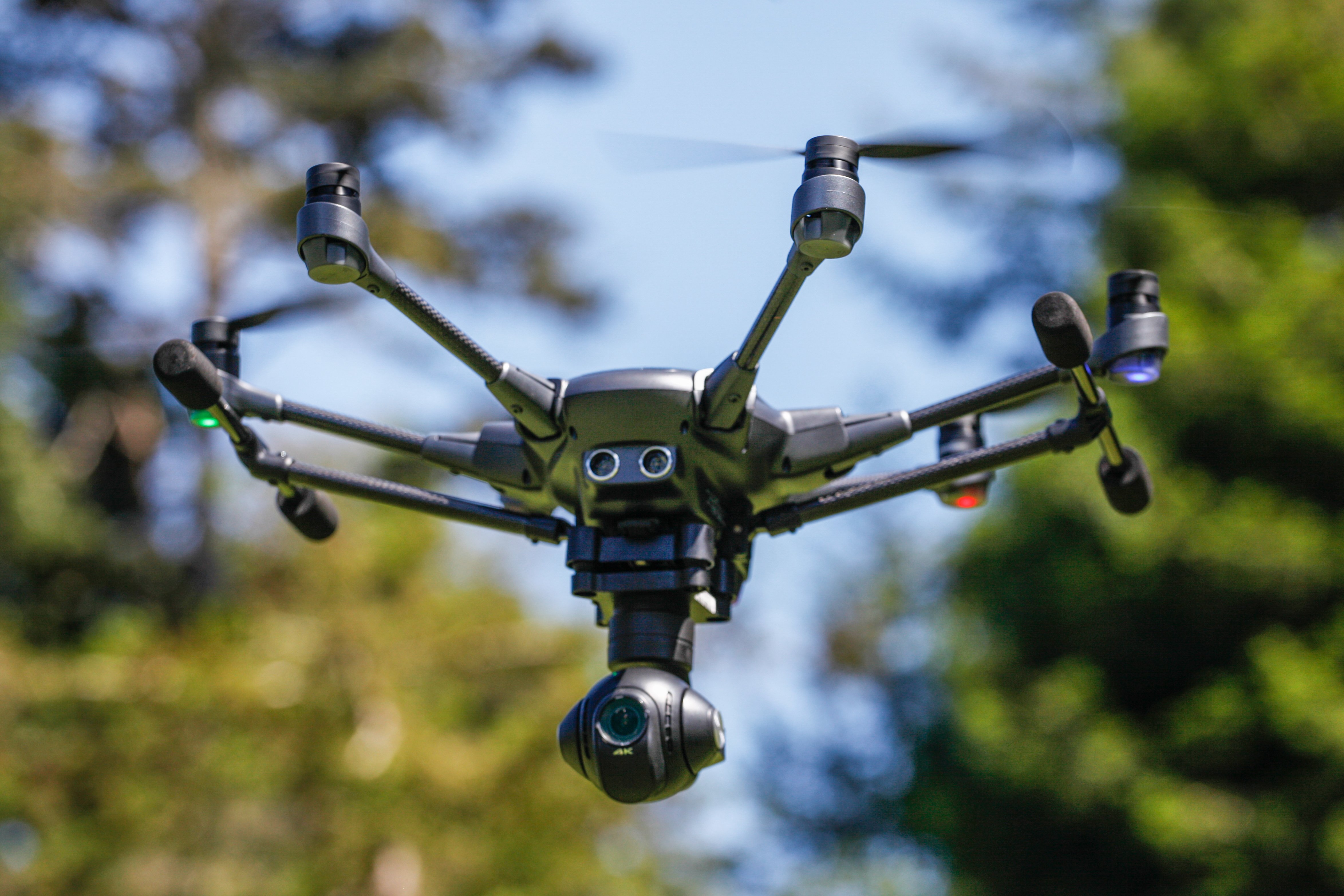
Rainmaker, seeking an exemption to allow small drones to carry hazardous materials, proposes deploying flares from its Elijah quadcopter to stimulate precipitation. The drones, capable of reaching altitudes of 15,000 feet MSL, would operate within controlled airspace, a fact that has raised the ire of ALPA. The union argues that Rainmaker’s petition, as publicly available, lacks sufficient safety data and poses an "extreme safety risk," particularly concerning potential foreign object debris and fire hazards from the flares. ALPA also points to the absence of trajectory modeling for ejectable casings and a comprehensive environmental impact assessment.
Rainmaker CEO Augustus Doricko counters that ALPA’s objections are based solely on the public notice, ignoring the comprehensive safety data and risk mitigation strategies submitted to the FAA in non-public documents. He emphasizes that the flights will be conducted in pre-determined safe airspace, coordinated with aviation authorities, and limited to a maximum altitude of 15,000 feet MSL, effectively negating concerns about high-altitude flight or airspace coordination issues. Furthermore, Doricko highlights that the amount of silver iodide used in a typical Rainmaker operation is significantly less than the emissions from a single hour of commercial airliner flight.

Related Post


Rainmaker’s aviation regulatory manager, Sam Kim, expressed respect for ALPA but asserted that the union’s objection stems from a misunderstanding of the project’s scope. He clarified that the flare use is strictly for research purposes within a controlled environment and is not representative of their larger operational plans. The company plans to transition to a proprietary aerosol dispersion system that exclusively emits silver iodide, eliminating the use of flares altogether.
While cloud seeding is an established practice, Rainmaker’s drone-based approach introduces a new set of challenges and considerations. The FAA’s decision on whether Rainmaker’s mitigation strategies are sufficient will not only determine the fate of this specific project but also shape the regulatory landscape for future innovative weather modification technologies. The agency’s response will undoubtedly influence how similar ventures are approached in the years to come. The future of drone-based cloud seeding hangs in the balance.







Leave a Comment