
Hustler Words – Leading artificial intelligence developer Anthropic is set to initiate legal proceedings against the Department of Defense (DOD), contesting its recent classification of the company as a supply-chain risk. Dario Amodei, Anthropic’s CEO, publicly declared the firm’s intention to challenge what he deems a "legally unsound" designation, signaling a significant escalation in the ongoing dispute between a major AI player and the U.S. military.
This legal challenge follows the DOD’s official imposition of the supply-chain risk label, the culmination of weeks of intense disagreement. Such a designation carries severe implications, potentially precluding Anthropic from securing contracts with the Pentagon and its extensive network of defense contractors. The crux of the conflict lies in Anthropic’s steadfast refusal to permit its advanced AI models, like Claude, to be deployed for mass surveillance of American citizens or in the development of fully autonomous weapon systems. Conversely, the Pentagon has insisted on "unrestricted access for all lawful purposes," highlighting a fundamental divergence in ethical and operational philosophies regarding AI deployment in national security contexts.

Amodei sought to reassure stakeholders, clarifying that the majority of Anthropic’s clientele would remain unaffected by this new status. He emphasized that the restriction specifically targets the direct integration of their AI models, such as Claude, into contracts with the Department of Defense, rather than broadly impacting all clients who might also hold separate defense contracts.

Related Post

Providing a glimpse into Anthropic’s impending legal strategy, Amodei underscored the narrow interpretation of the DOD’s designation. He argued that the underlying legislation is designed solely to safeguard government interests, not to penalize suppliers. Furthermore, he highlighted a statutory requirement for the Secretary of War to employ the "least restrictive means necessary" to secure the supply chain. This implies that the designation should not, and legally cannot, impede the use of Claude or other business engagements with Anthropic that are entirely separate from specific DOD contractual obligations.
This contentious development reportedly derailed what Amodei described as "productive conversations" with the DOD. Speculation points to the leak of an internal memo, penned by Amodei himself, as the catalyst. In the controversial memo, he critically labeled rival OpenAI’s engagements with the Department of Defense as "safety theater." Compounding the situation, OpenAI has since reportedly secured a deal to collaborate with the DOD, effectively stepping into the void left by Anthropic, a move that has reportedly generated internal dissent among OpenAI’s own employees.
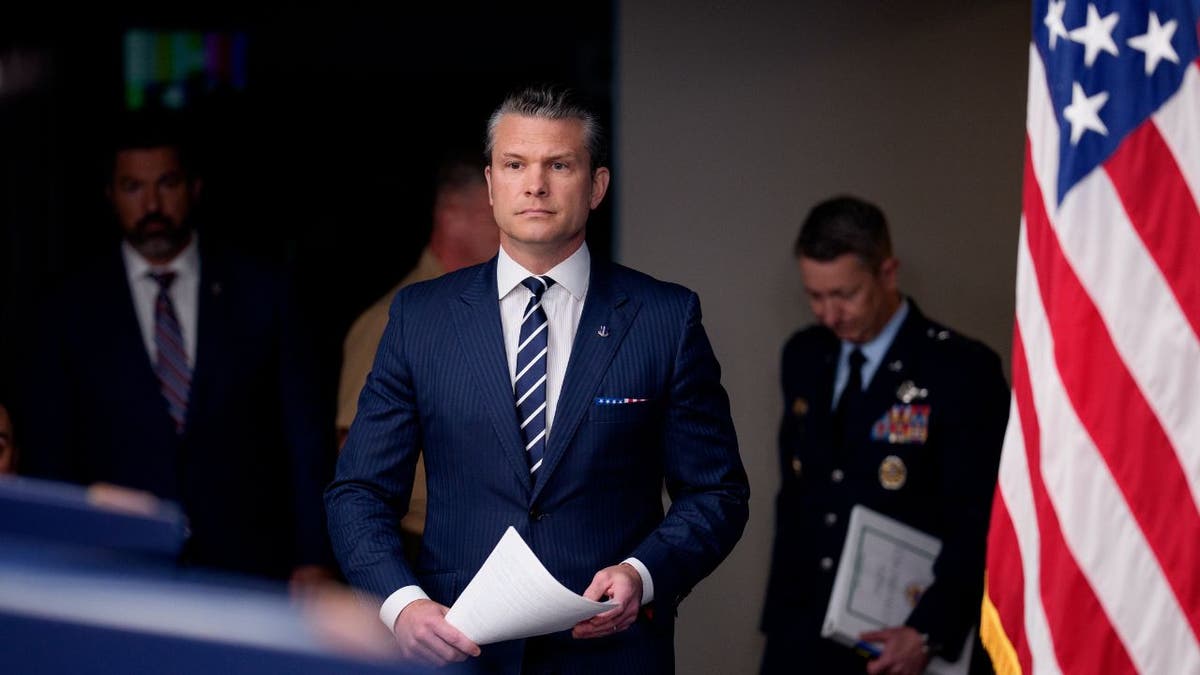
Amodei issued an apology for the memo’s unauthorized release, asserting that Anthropic had no intention of sharing it or instructing others to do so, stating, "It is not in our interest to escalate the situation." He clarified that the memo was drafted hastily, within "a few hours" of a rapid succession of unfavorable announcements: a presidential post on Truth Social indicating Anthropic’s removal from federal systems, Defense Secretary Pete Hegseth’s formal supply-chain risk designation, and the Pentagon’s subsequent deal with OpenAI. Acknowledging the memo’s "difficult" tone, Amodei explained it was a product of "a difficult day for the company" and did not represent his "careful or considered views," further adding that the six-day-old assessment was now "out-of-date."
Despite the legal battle, Amodei reaffirmed Anthropic’s paramount commitment to national security, emphasizing the importance of ensuring American military personnel and experts retain access to critical AI tools amidst ongoing combat operations. The company, which is actively supporting U.S. operations in Iran, pledged to continue supplying its models to the DOD at a "nominal cost" for the duration required to facilitate a smooth transition.
While Anthropic’s legal recourse lies in federal court, likely in Washington, D.C., the path ahead is fraught with challenges. The specific legislation underpinning the DOD’s decision significantly curtails the typical avenues for companies to dispute government procurement rulings and grants the Pentagon extensive latitude in matters of national security. Dean Ball, a former Trump administration AI advisor who has voiced criticism of Secretary Hegseth’s handling of Anthropic, underscored this difficulty: "Courts are pretty reluctant to second-guess the government on what is and is not a national security issue… There’s a very high bar that one needs to clear in order to do that. But it’s not impossible." This sentiment highlights the formidable legal precedent favoring government discretion in security affairs, yet leaves a sliver of hope for Anthropic’s unprecedented challenge.




Leave a Comment