
Hustler Words – A United Nations-affiliated research institute has unveiled a controversial project: two AI avatars designed to simulate the experiences of refugees. These digital entities, named Amina and Abdalla, aim to educate the public about the complex issues surrounding displacement and conflict.
According to a report by 404 Media, Amina is portrayed as a Sudanese woman living in a refugee camp in Chad, while Abdalla is depicted as a soldier within the Rapid Support Forces, a Sudanese paramilitary group. The intention is for users to engage in conversations with these avatars via a dedicated website, gaining insights into their fictional lives and perspectives. However, initial attempts to interact with the avatars have been met with technical difficulties, with users reporting registration errors.
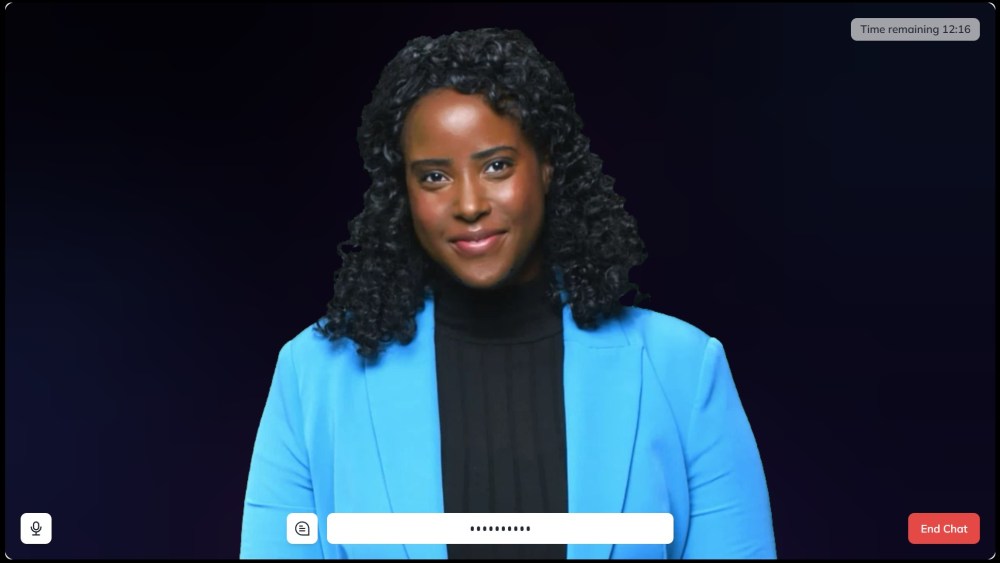
Eduardo Albrecht, a Columbia professor and senior fellow at the UNU-CPR, clarified to 404 Media that the project was conceived as an exploratory exercise, not a proposed solution for the UN. A research paper outlining the initiative suggests potential applications for these avatars, including their use in fundraising efforts. The paper also acknowledges the negative reactions from workshop participants who interacted with the AI agents, with some expressing concerns that refugees are capable of representing themselves.

Related Post
The project raises ethical questions about the use of AI to simulate human experiences, particularly those of vulnerable populations. While proponents argue that these avatars can raise awareness and empathy, critics worry about the potential for misrepresentation and the further marginalization of refugees. The debate highlights the complexities of using AI in humanitarian contexts and the importance of ensuring that technology serves to empower, rather than replace, the voices of those it seeks to represent.





Leave a Comment