
Hustler Words – India’s Supreme Court has issued a stark admonishment to Meta, the parent company behind the ubiquitous messaging service WhatsApp, asserting unequivocally that it will not permit the platform to compromise the privacy rights of its extensive Indian user base. This forceful declaration emerged during a recent hearing where justices critically examined WhatsApp’s strategies for monetizing personal data, particularly in the context of its contentious 2021 privacy policy update.
The judicial scrutiny arose as Meta sought to overturn a significant penalty levied against WhatsApp concerning its data-sharing practices. Judges repeatedly challenged the company on the validity of user consent in a market where WhatsApp holds a near-monopolistic position, effectively serving as the default communication channel for over 500 million users in India. This vast user base represents WhatsApp’s largest global market and is a pivotal growth engine for Meta’s broader advertising and artificial intelligence endeavors. The court probed deeply into the potential commercial value derived from the platform’s metadata and how such information could be leveraged across Meta’s diverse business functions.
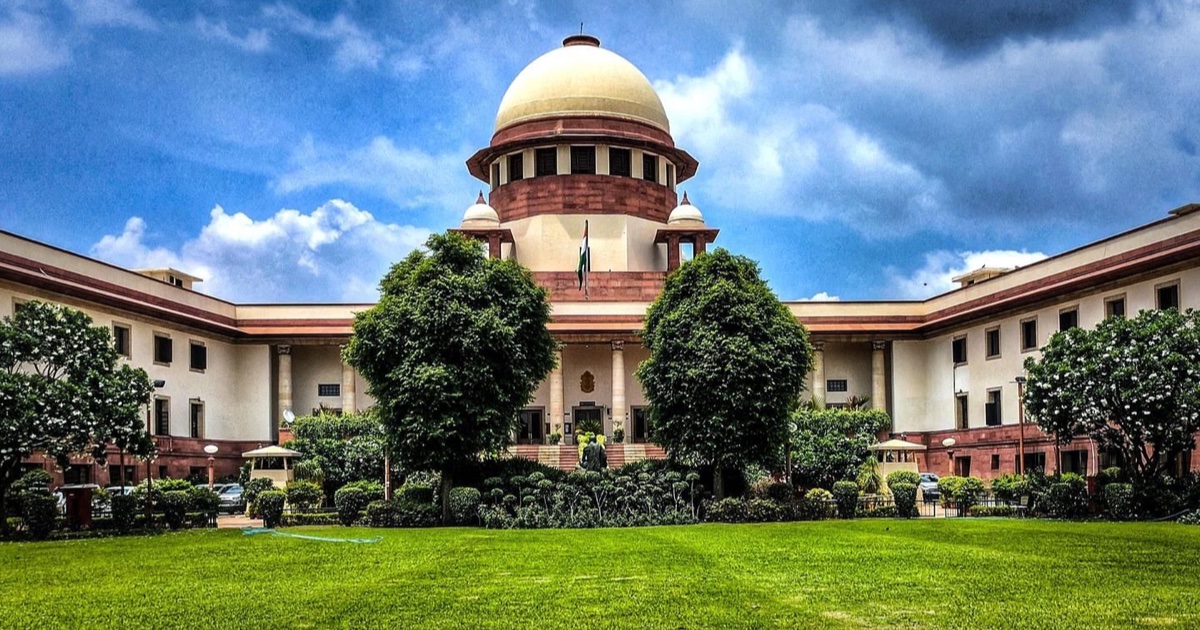
Chief Justice Surya Kant emphasized the Supreme Court’s resolve, stating that not "a single piece of information" would be allowed to be shared by Meta and WhatsApp while the appeal remains pending. He highlighted the practical absence of genuine choice for users faced with accepting WhatsApp’s privacy terms, branding the messaging service a de facto monopoly. Kant illustrated this disparity by questioning how an individual like "a poor woman selling fruits on the street" or a domestic worker could realistically comprehend the intricacies of their data usage.

Related Post

Further pressing Meta, Justice Joymalya Bagchi sought clarification on the analysis of user data beyond message content. The court expressed keen interest in understanding the commercial implications of behavioral data and its application in targeted advertising, noting that even anonymized or segregated information possesses significant economic worth. Government legal representatives reinforced this concern, asserting that personal data was not merely collected but also commercially exploited.
In its defense, Meta’s legal team maintained that WhatsApp messages are secured with end-to-end encryption, rendering them inaccessible even to the company itself. They argued that the contested privacy policy did not diminish user protections nor facilitate the use of chat content for advertising purposes.
The legal battle originates from a 2021 update to WhatsApp’s privacy policy, which mandated Indian users to consent to broader data-sharing terms with Meta or face discontinuation of service. India’s competition regulator subsequently imposed a penalty of ₹2.13 billion (approximately $23.6 million), concluding that the policy constituted an abuse of WhatsApp’s dominant market position. This ruling was upheld on appeal before Meta and WhatsApp escalated the challenge to the Supreme Court, with Meta confirming the penalty had already been paid.
The Supreme Court has adjourned the proceedings until February 9, providing Meta and WhatsApp an opportunity to elaborate on their data practices. At the suggestion of the competition regulator, the court also agreed to include the Ministry of Electronics and Information Technology as a party to the case, thereby broadening the scope of the legal inquiry. Meta declined to comment on the ongoing matter.
Globally, WhatsApp is navigating increased scrutiny over its data privacy protocols, with reports indicating U.S. authorities are examining claims regarding the privacy of WhatsApp chats. In India, the platform is also adapting to new regulatory frameworks, including recent SIM-binding rules designed to combat fraud, which could potentially impact the adoption of the messaging service by small businesses.




Leave a Comment