
Hustler Words – The fusion energy sector, once a subject of derision, has rapidly transformed into a captivating arena attracting significant investor interest. This surge is fueled by advancements in computing power, AI sophistication, and high-temperature superconducting magnets, leading to more refined reactor designs and simulations. The landmark achievement of achieving scientific breakeven in a controlled fusion reaction at a U.S. Department of Energy lab in late 2022 further solidified the industry’s potential. This breakthrough has spurred a wave of private investment, propelling numerous startups towards the ambitious goal of commercially viable fusion power plants. Several companies have already secured over $100 million in funding, positioning themselves as frontrunners in this transformative energy race.
Commonwealth Fusion Systems (CFS): CFS leads the pack, having secured nearly $3 billion in funding. Their flagship project, Sparc, a tokamak reactor designed in collaboration with MIT, aims to achieve commercially relevant power generation by late 2026 or early 2027. Subsequently, they plan to construct Arc, a 400-megawatt commercial power plant near Richmond, Virginia, with Google pre-purchasing half its output.
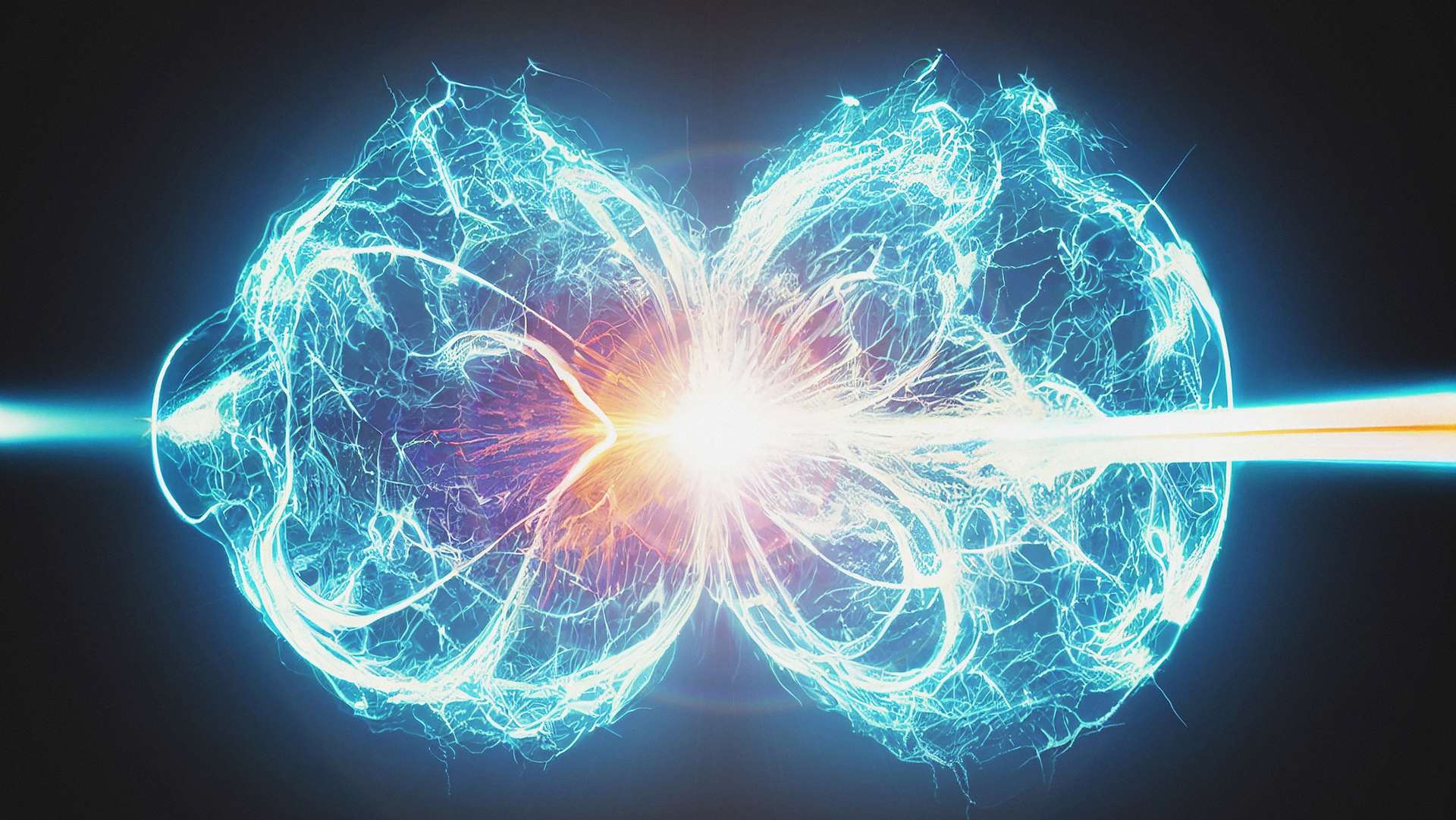
TAE Technologies: Founded in 1998, TAE has raised $1.79 billion, employing a unique field-reversed configuration reactor design. Their approach involves colliding plasma shots and using particle beams to enhance plasma stability, maximizing energy extraction. Google and Chevron are among their prominent investors.

Related Post

Helion Energy: Helion boasts the most ambitious timeline, targeting electricity generation from its reactor by 2028. Microsoft is already lined up as a customer. Their field-reversed configuration reactor design utilizes high-speed plasma collisions to induce fusion and directly harvest electricity. Helion has secured $1.03 billion in funding, with investors including Sam Altman and Peter Thiel.
Pacific Fusion: This startup secured a remarkable $900 million Series A, employing inertial confinement fusion using electromagnetic pulses instead of lasers. Their funding is milestone-based, a common strategy in the biotech sector. The company is led by Eric Lander, the renowned scientist behind the Human Genome Project.
Shine Technologies: Taking a more measured approach, Shine focuses on neutron testing, medical isotopes, and radioactive waste recycling, while simultaneously developing fusion reactor technology. They’ve raised $778 million, demonstrating a pragmatic path to market entry.
General Fusion: General Fusion, founded in 2002, has raised $462.53 million, utilizing magnetized target fusion. However, they faced financial challenges in spring 2025, leading to staff reductions and a subsequent funding round. Jeff Bezos is among their investors.
Tokamak Energy: This UK-based company has raised $336 million, employing a compact tokamak design with high-temperature superconducting magnets. Their ST40 prototype achieved a 100-million-degree Celsius plasma, and their next-generation reactor, Demo 4, is under construction.
Zap Energy: Zap Energy, based in Everett, Washington, has raised $327 million. Their innovative approach uses electric currents to generate the magnetic field for plasma confinement, resulting in a simpler and potentially more cost-effective design. Bill Gates is an investor.
Proxima Fusion: Proxima Fusion is pursuing stellarator technology, a less common but promising approach. They’ve raised over €185 million, demonstrating investor interest in alternative fusion designs.
Marvel Fusion: Marvel Fusion utilizes inertial confinement with silicon-based targets, leveraging semiconductor manufacturing expertise. They’ve raised $161 million and are building a demonstration facility expected to be operational by 2027.
First Light: First Light, having raised $140 million, has transitioned from fusion power development to supplying technology to other fusion startups.
Xcimer: Xcimer, founded in 2022, has secured $109 million, aiming to build a significantly more powerful laser system than the National Ignition Facility.
This dynamic landscape continues to evolve, with ongoing advancements and investments shaping the future of fusion energy. The race to commercialize this revolutionary technology is well underway, with significant implications for global energy production.




Leave a Comment