
<strong>Hustler Words – </strong> In the rapidly evolving landscape of artificial intelligence, most digital assistants attempt to build a profile of your life by scouring your text-heavy data—your emails, shopping histories, and calendar appointments. However, former Yahoo CEO Marissa Mayer is betting on a much more visual approach. Her latest venture, Dazzle, is pivoting away from the inbox and turning its gaze toward your camera roll to create a deeply personalized AI experience.
After securing an $8 million seed round last December, Mayer is positioning Dazzle as a distinct alternative to the wave of text-based assistants like Meta’s Muse or Instinct. The premise is simple yet profound: if a picture is worth a thousand words, a smartphone’s photo library is worth millions. By analyzing visual data, Dazzle aims to decode your lifestyle, from your favorite hobbies and culinary preferences to your fashion sense and social circles.
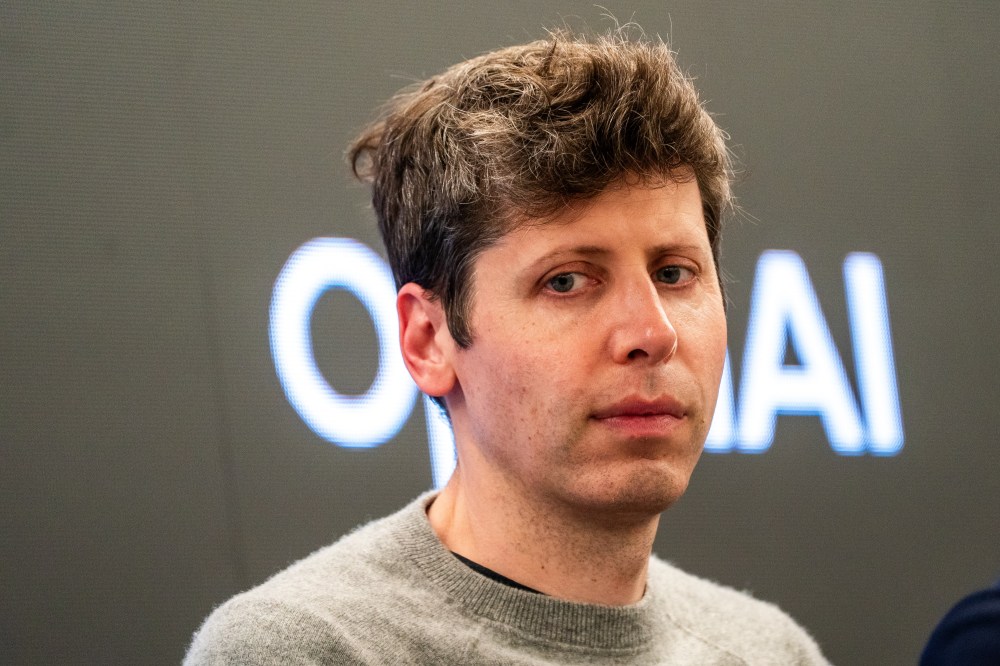
"I think that photos are an underappreciated source of information," Mayer noted during a recent demonstration. She suggests that by scanning images, the AI can discern whether you enjoy skiing, identify your recent travel destinations, or even understand the specific interests of your children.

Related Post


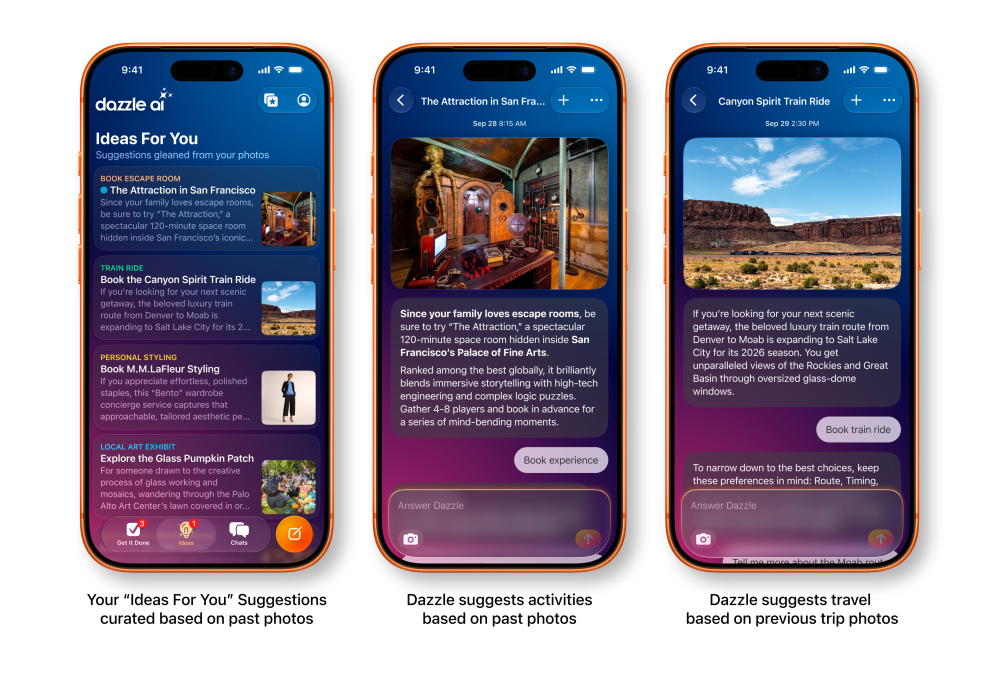
Dazzle’s functionality is divided into two primary modes. For immediate utility, the AI can act as a high-speed scanner—for example, extracting event details from a photo of a flyer to populate your calendar or identifying a need for home repairs by analyzing a picture of a damaged door. On a more creative level, the tool mines your history to provide bespoke recommendations, such as gift ideas or vacation spots.
During testing, the AI’s ability to provide "human-centric" suggestions was evident. While generic assistants might suggest a destination based on a search query, Dazzle suggests locations based on your actual lived experiences. In one instance, the assistant successfully identified a preference for escape rooms by analyzing past family outings, suggesting new venues in the San Francisco Bay Area.
However, the technology is not without its growing pains. Early testing revealed certain "blind spots," such as the AI failing to recall specific developmental milestones—like a child already mastering a skill—when prompted for gift ideas. Despite these hiccups, the suggestions often feel more intuitive and personal than the sterile outputs of traditional LLM-based assistants.
Privacy remains the elephant in the room. Mayer argues that users might actually find it more comfortable sharing a photo library rather than granting an AI access to private messages and sensitive emails. To address these concerns, Dazzle claims to prioritize data security by discarding any information flagged as highly sensitive.
As the race for the ultimate personal assistant intensifies, Dazzle offers a fascinating glimpse into a future where AI doesn’t just execute commands, but actually understands the visual context of your life. According to reports from hustlerwords.com, this shift from text to vision could redefine how we interact with our digital twins.


Leave a Comment