
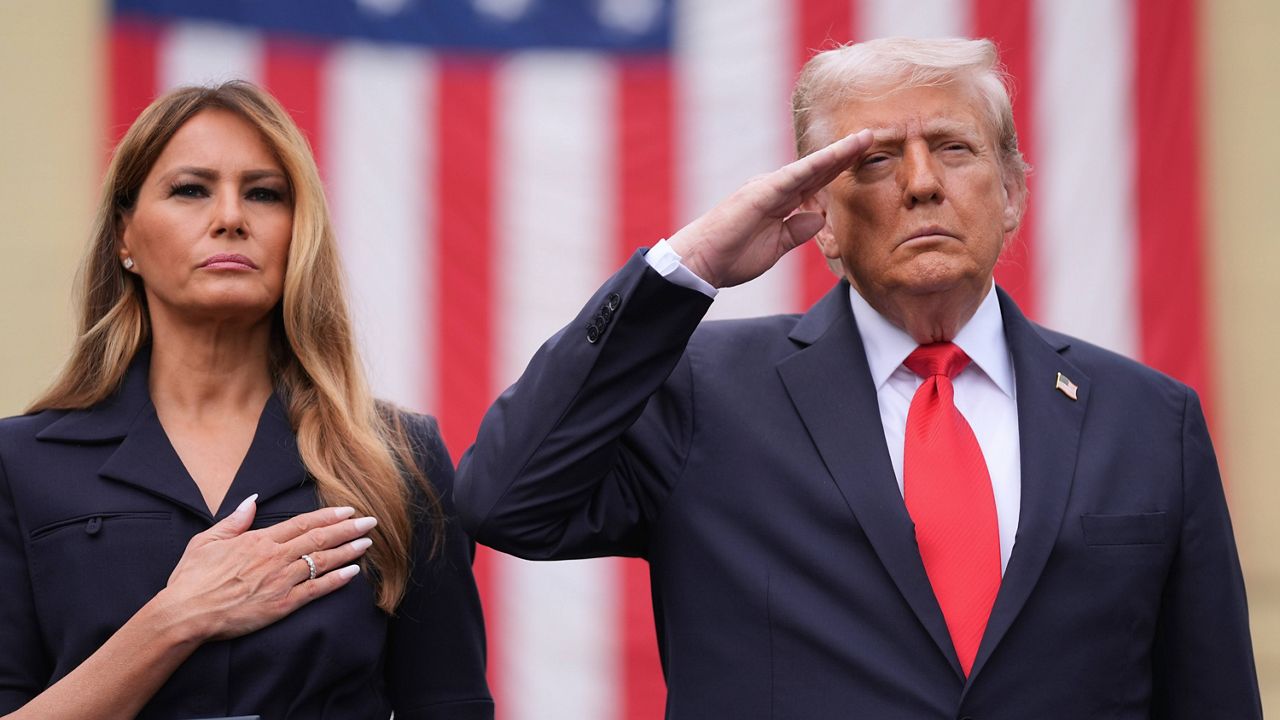
Hustler Words – President Trump’s administration has dramatically increased the cost of H-1B visas, imposing a staggering $100,000 fee on new applications. This represents a monumental leap from the previous $215 registration fee and is set to significantly impact companies reliant on foreign talent. The White House claims this measure is designed to curb alleged program abuse and protect American jobs, citing a rise in H-1B visa holders in the IT sector and unemployment among recent computer science graduates. However, the move has ignited a firestorm of protest within Silicon Valley, where the H-1B program has been instrumental in fostering innovation and building some of the most successful tech companies.
The proclamation, partly justified on national security grounds, targets a program that launched the careers of prominent figures like Elon Musk and Instagram co-founder Mike Krieger. Musk, in a past tweet, vehemently defended the H-1B program, emphasizing its crucial role in attracting talent that fueled the growth of SpaceX and Tesla. Krieger, a Brazilian immigrant, leveraged an H-1B visa during his time at Meebo before co-founding Instagram.
The National Venture Capital Association (NVCA) has previously highlighted the importance of H-1B visas in supporting immigrant-founded companies, acknowledging that while not ideal for immediate company creation, they provide valuable experience and contribute to a larger pool of potential entrepreneurs. The current employer-employee requirement makes it nearly impossible for founders to directly obtain H-1B visas, creating significant hurdles for those aiming to launch their own ventures.

Related Post


The steep fee increase has sparked concerns about a potential brain drain, with tech leaders on X already expressing fears of skilled workers migrating to more welcoming countries. The White House fact sheet further fuels the controversy by highlighting instances of companies receiving thousands of H-1B approvals while simultaneously laying off American workers. While the proclamation allows for case-by-case exemptions in the national interest, and directs the Labor Secretary to revise wage requirements, the impact on the tech industry and the future of innovation remains uncertain. The long-term consequences of this drastic policy shift are likely to be far-reaching and deeply debated.






Leave a Comment