
<strong>Hustler Words – </strong> Google is once again shaking up its artificial intelligence ecosystem, signaling a major strategic shift for its Gemini platform. In a move that mirrors the rising competition from all-in-one AI agents like Meta’s Muse and Instinct, the tech giant has announced it will sunset "Gems"—the feature that allowed users to craft bespoke, specialized AI assistants. However, this isn’t a total loss for power users; rather, it is a fundamental rebranding and restructuring of how Gemini handles specialized tasks.
According to notifications appearing within the Gemini app, the transition is slated to take effect on November 17, 2026. Rather than deleting the custom instructions and personalities users have painstakingly built, Google plans to migrate these entities into a new framework called "skills." These skills are designed to be more versatile, allowing them to be deployed across a wider array of AI-driven workflows.
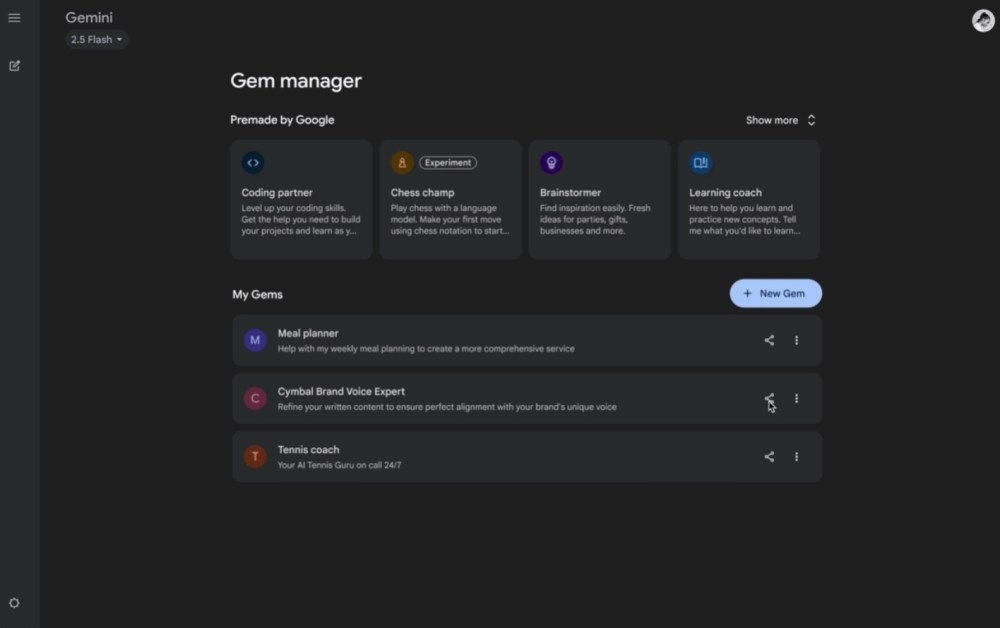
When Gems launched in 2024, they were positioned as a way to bypass repetitive prompting. Users could deploy "pre-baked" assistants—such as coding partners, career guides, or brainstorming coaches—or build their own niche experts, like personalized nutritionists or travel planners. The goal was to foster a community of shared AI personas to drive engagement.

Related Post


While the migration promises to preserve user effort, the shift highlights a recurring critique of Google’s product strategy: a tendency toward fragmentation and frequent rebranding. By giving every new iteration a unique name and icon, Google often creates a sense of instability, a pattern seen in their historical management of various messaging platforms.
Furthermore, the user experience for these new "skills" may feel more technical than consumer-centric. Unlike the seamless conversational flow found in Meta’s offerings, Google’s implementation requires users to trigger a skill by typing a forward slash (/) within a chat thread. This command-line style interface leans more toward a developer-friendly approach than the intuitive, natural language interaction most casual users expect.
As Google prepares for this long-term transition, the industry will be watching closely to see if "skills" can provide the cohesive, agentic experience needed to win the ongoing AI arms race.


Leave a Comment