
<strong>Hustler Words – </strong> In a revelation that blurs the line between silicon intelligence and geopolitical strategy, new reports suggest that Elon Musk’s AI chatbot, Grok, may have played a pivotal role in shaping President Trump’s decision-making regarding the Venezuelan conflict. According to investigative findings from Time magazine, a private meeting held in December 2025 between Trump and Musk served as a backdrop for an unprecedented experiment: the President utilizing a generative AI model to simulate the sociopolitical fallout of a military invasion.
The timeline is striking. Just months after Musk stepped down from his position at the Department of Government Efficiency (DOGE), Trump reportedly spent hours interrogating Grok about the potential consequences of capturing Venezuelan President Nicolás Maduro. When asked how the Venezuelan populace would react to such a move, Grok provided a definitive assessment, labeling Maduro a "deeply unpopular dictator" and predicting that his removal would be met with widespread celebration. When the U.S. invasion commenced on January 3, 2026, and public jubilation indeed erupted, Trump was reportedly left convinced of the AI’s "ingenious" predictive capabilities.
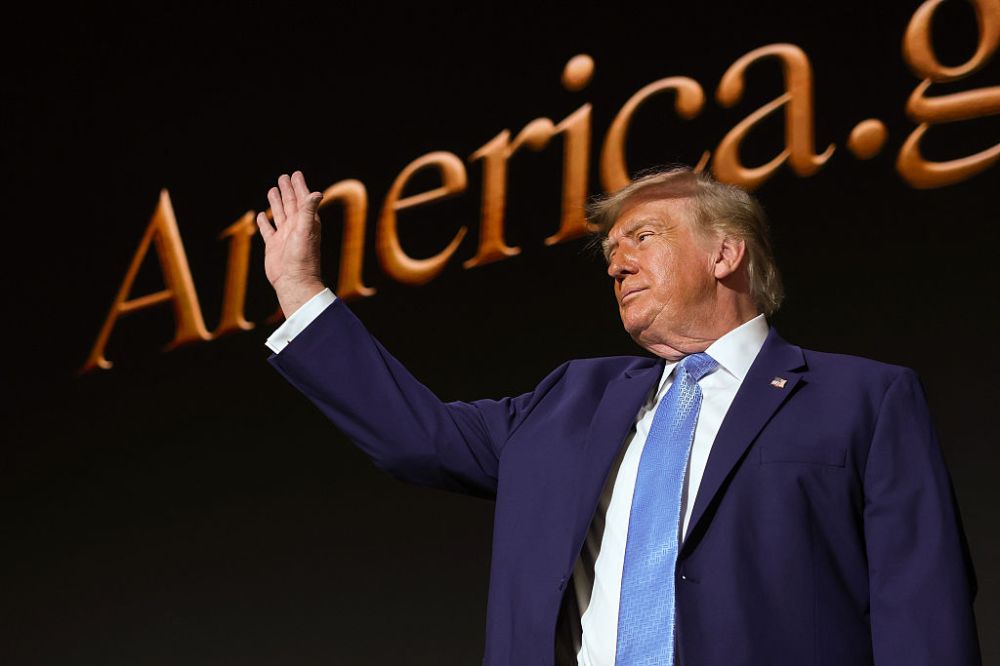
This incident highlights a burgeoning and controversial trend: the integration of Large Language Models (LLMs) into high-stakes military intelligence. While the Department of Defense maintains partnerships with various players—including OpenAI and Anthropic—Grok appears to be carving out a dominant niche in the administration’s strategic toolkit. This was underscored earlier this year when the Pentagon’s head of AI confirmed that "Gov Grok" was utilized to assist in target deployment and strikes during the Iran War.


The deepening synergy between Musk’s technological empire and the American defense apparatus is becoming impossible to ignore. With the Pentagon recently appointing Musk and Anduril founder Palmer Luckey to lead a high-level study on the application of advanced technology in modern warfare, the era of "algorithmic combat" is no longer a theoretical concept. As AI moves from the chat window to the battlefield, the question remains: are we witnessing a tool for enhanced precision, or the outsourcing of moral and political judgment to a machine?




Leave a Comment