
Hustler Words – A pivotal legislative battle is unfolding in Washington, D.C., setting the stage for a high-stakes confrontation between ride-hailing giant Uber and autonomous vehicle leader Waymo. At the heart of this conflict is a proposed bill governing driverless operations, which has become a crucial test case for Uber’s evolving robotaxi strategy. Far from merely investing in AV developers, Uber is now actively shaping regulatory frameworks, a move that places it in direct opposition to its erstwhile business partner, Waymo.
Uber has voiced strong opposition to the D.C. bill, arguing that its current form could marginalize human for-hire drivers and effectively grant Waymo a near-monopoly. Instead, Uber advocates for a "hybrid" operational model, mandating that robotaxis integrate into ride-hailing networks that also utilize human drivers. This position, detailed in public records reviewed by Hustler Words and through industry interviews, underscores Uber’s strategic shift.
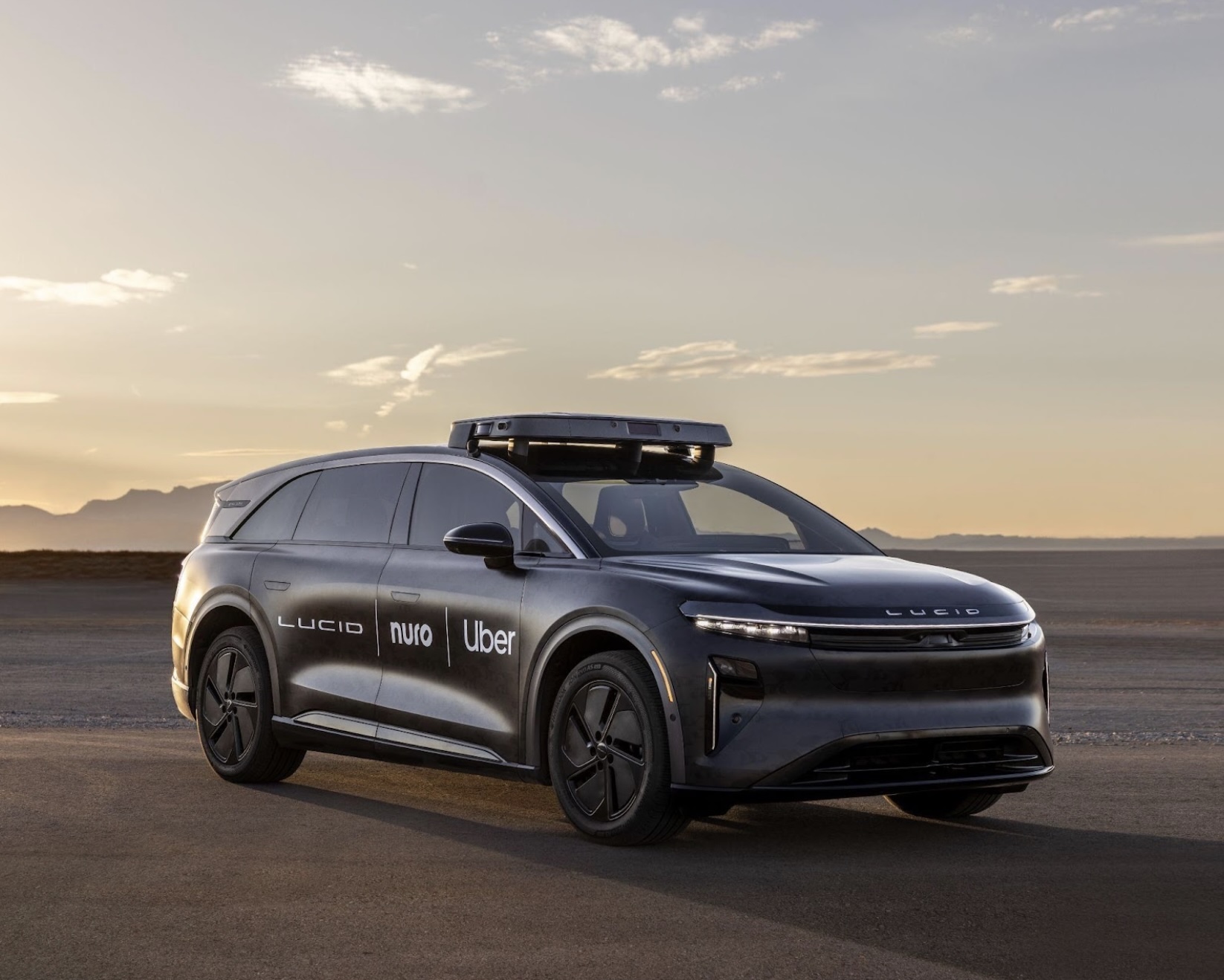
Javi Correoso, Uber’s head of U.S. policy and federal affairs, articulated the company’s concerns during a D.C. Council roundtable in May. He warned that a "flawed, first-party only regulatory approach" could destabilize urban transportation, citing issues like increased congestion from idling or empty robotaxis, the inability of AVs to provide physical assistance to vulnerable passengers, and data suggesting that each autonomous vehicle displaces approximately four human drivers. Correoso emphasized Uber’s vision for a hybrid system: "If a consumer is on the app, they should be able to choose. I think it should be part of the regulatory framework for the industry. There should be a requirement for consumers to be able to take an Uber that’s driven by a human."

Related Post

Conversely, Alphabet-owned Waymo staunchly supports the legislation. The company asserts that the bill would facilitate the secure deployment of autonomous vehicles, fostering public transit, equitable access, and job creation without unduly restricting companies like Uber. The two tech titans are set to present their divergent viewpoints during an upcoming day-long hearing. While the bill’s immediate passage isn’t guaranteed, many stakeholders hope for its approval before the end of the year, prior to Mayor Muriel Bowser’s departure in January. This local dispute, however, reflects a much broader national debate on the future of autonomous mobility.
The Proposed AV Framework
Introduced by Councilmember Charles Allen in May, the proposed legislation seeks to amend the existing Autonomous Vehicle Act of 2012. Its primary goal is to permit both driverless testing and commercial autonomous operations within the district, moving beyond the current requirement for a human safety operator in all AV tests.
Under the new provisions, the District Department of Transportation (DDOT) would gain the authority to issue permits for driverless testing and deployment. Prospective AV developers would need to meet specific criteria, including maintaining a minimum of $5 million in liability insurance and committing to report crash data within eight or 72 hours, depending on whether the vehicle is part of a commercial fleet or privately owned.
A contentious element of the bill is a proposed $0.15 per mile "vehicles miles traveled" (VMT) tax on robotaxi operators. Critics argue this levy is excessively high. The revenue generated from this tax would be equally split: 50% allocated to public transit initiatives, and the remaining 50% dedicated to educational and workforce development programs for rideshare and taxi drivers whose livelihoods are threatened by automation.
Beyond the Titans: A Multifaceted Debate
The D.C. bill has attracted a diverse array of interested parties beyond just Uber and Waymo. Representatives from Tesla, Lyft, powerful labor unions like the Teamsters and Service Employees International Union (SEIU), disability rights advocates, local business groups, highway safety proponents, government officials, and various think tanks are all slated to testify at the upcoming hearing.
The legislation has even sparked an organized anti-robotaxi campaign, spearheaded by the New York-based Coalition for Accountability and Road Safety. This organization is actively canvassing voters and leveraging social media, though its funding sources remain opaque. Public lobbying documents indicate an affiliation with Pitta Bishop & Del Giorno LLC, a New York lobbying firm connected to labor and employment law.
The stakes are exceptionally high for all participants in D.C.’s transportation ecosystem – from AV developers to human drivers and the companies employing them. For market leaders like Uber, the largest ride-hailing and delivery network in the U.S., and Waymo, the leading robotaxi operator providing over 500,000 rides weekly across 11 cities, the outcome carries immense strategic weight.
Should Uber’s hybrid network concept gain traction in D.C. or elsewhere, AV developers like Waymo would face a stark choice: integrate their meticulously developed robotaxis onto existing ride-hailing platforms like Uber’s, or operate their own services while also employing human drivers to complement their autonomous fleets. Conversely, if Waymo and its allies succeed, Uber fears being entirely marginalized from the nascent robotaxi market.
Uber’s Strategic Evolution: Protect and Expand
This D.C. policy skirmish illuminates a key facet of Uber’s broader strategy to safeguard its dominant position in the ride-hailing and delivery sectors. While actively investing in and partnering with over 30 autonomous vehicle technology companies globally, Uber is also establishing AV Labs, a new business unit focused on collecting and sharing real-world driving data with AV developers. The company is aggressively hiring engineers for this division, signaling a serious commitment to the AV space.
Simultaneously, Uber is championing protective policies that would mandate autonomous vehicles operate alongside human drivers within a unified platform – mirroring the functionality of the Uber app itself. This push for a hybrid network, first outlined in a white paper published in May, represents a recent escalation in Uber’s engagement with policymakers.
This strategic pivot marks a significant departure from Uber’s earlier, often confrontational, anti-regulation stance. Historically, the company sought to exploit legal loopholes or outright circumvent existing laws, famously clashing with union-backed regulations like California’s AB 5, which aimed to classify gig workers as employees. However, experiences from these battles, and a period of corporate introspection, appear to have taught Uber the necessity of acknowledging human workers and the influence of labor unions. Andrew Macdonald, Uber’s Chief Operating Officer, acknowledged this shift in a May LinkedIn post, admitting that the company’s "grow-at-all-costs" approach led to "regulatory battles and a corporate crisis that damaged trust for years." He concluded, "That experience changed us. Today, we partner with cities instead of confronting them."
Uber presents its hybrid network proposal as precisely this kind of compromise – a framework that allows robotaxis and human drivers to coexist on the same platform, thereby addressing labor concerns while integrating advanced technology. The company is committed to promoting this model in other cities and states as new AV laws are drafted or existing ones updated.
Frenemies: The Complex Uber-Waymo Dynamic
The current regulatory clash is not the first time Waymo and Uber have found themselves at odds over autonomous vehicle technology. In 2017, Waymo famously sued Uber for alleged trade secret theft, a high-profile trial that ended with Uber agreeing to a settlement. For six years, the public sparring ceased.
A surprising partnership emerged in 2023 when Waymo agreed to integrate its self-driving vehicles onto Uber’s app in Phoenix. Described as a limited "pilot," this collaboration saw Waymo also operating its own standalone app in the city. The relationship appeared to solidify further by March 2025, with a celebratory launch of Waymo robotaxis on the Uber app in Austin, later expanding to Atlanta. Notably, in these latter two cities, customers can only hail a Waymo robotaxi through the Uber app.
However, recent months have seen a noticeable souring of this "frenemy" dynamic. Earlier this year, Uber’s Chief Technology Officer, Praveen Neppalli, publicly criticized Waymo on X, sharing a video and commentary highlighting what he deemed "unsafe" and "scary" behavior by a Waymo robotaxi. During an earnings call in May, Uber CEO Dara Khosrowshahi, without directly naming Waymo, expressed support for regulators asking "the right questions" about AV interactions in challenging scenarios, implicitly referencing recent incidents involving Waymo vehicles. This tension has even extended internationally, with both companies anticipating a looming showdown in London.
As speculation mounts regarding the longevity of their existing partnerships in Austin and Atlanta, Uber and Waymo are clearly preparing for a broader regulatory battle that promises to extend far beyond the confines of Washington, D.C. Uber is strategically betting on, and actively lobbying for, a future distinct from the one Waymo envisions. As Harry Hartfield, Uber’s head of AV policy, stated in his testimony, "We think the future of our transportation system will be hybrid. Public policy should be designed around that reality, not around an AV-only future that does not exist."



Leave a Comment