
Hustler Words – Nvidia CEO Jensen Huang recently delivered a statement at the Morgan Stanley Technology, Media and Telecom conference in San Francisco that has sent ripples through the AI industry, declaring an end to his company’s future investments in prominent AI developers OpenAI and Anthropic. Huang attributed this strategic shift to the anticipated public listings of both companies later this year, suggesting that the window for private investment would simply close. However, a closer examination of the circumstances surrounding these partnerships reveals a narrative far more intricate than a mere capital market formality, prompting seasoned industry observers to question if there’s more beneath the surface.
While Huang’s explanation might appear straightforward – that the opportunity for pre-IPO stakes diminishes – it raises immediate questions given Nvidia’s dominant position. The chip manufacturing giant is currently experiencing unprecedented financial success, largely fueled by the insatiable demand for the very GPUs that power these AI firms. From this vantage point, Nvidia hardly needs to bolster its returns through additional equity investments; its primary revenue stream is already booming. A spokesperson for Nvidia, when pressed for further details by Hustler Words, pointed to previous earnings call transcripts where Huang emphasized that all Nvidia’s investments are "focused very squarely, strategically on expanding and deepening our ecosystem reach." This objective, it could be argued, has already been substantially met through their initial commitments.
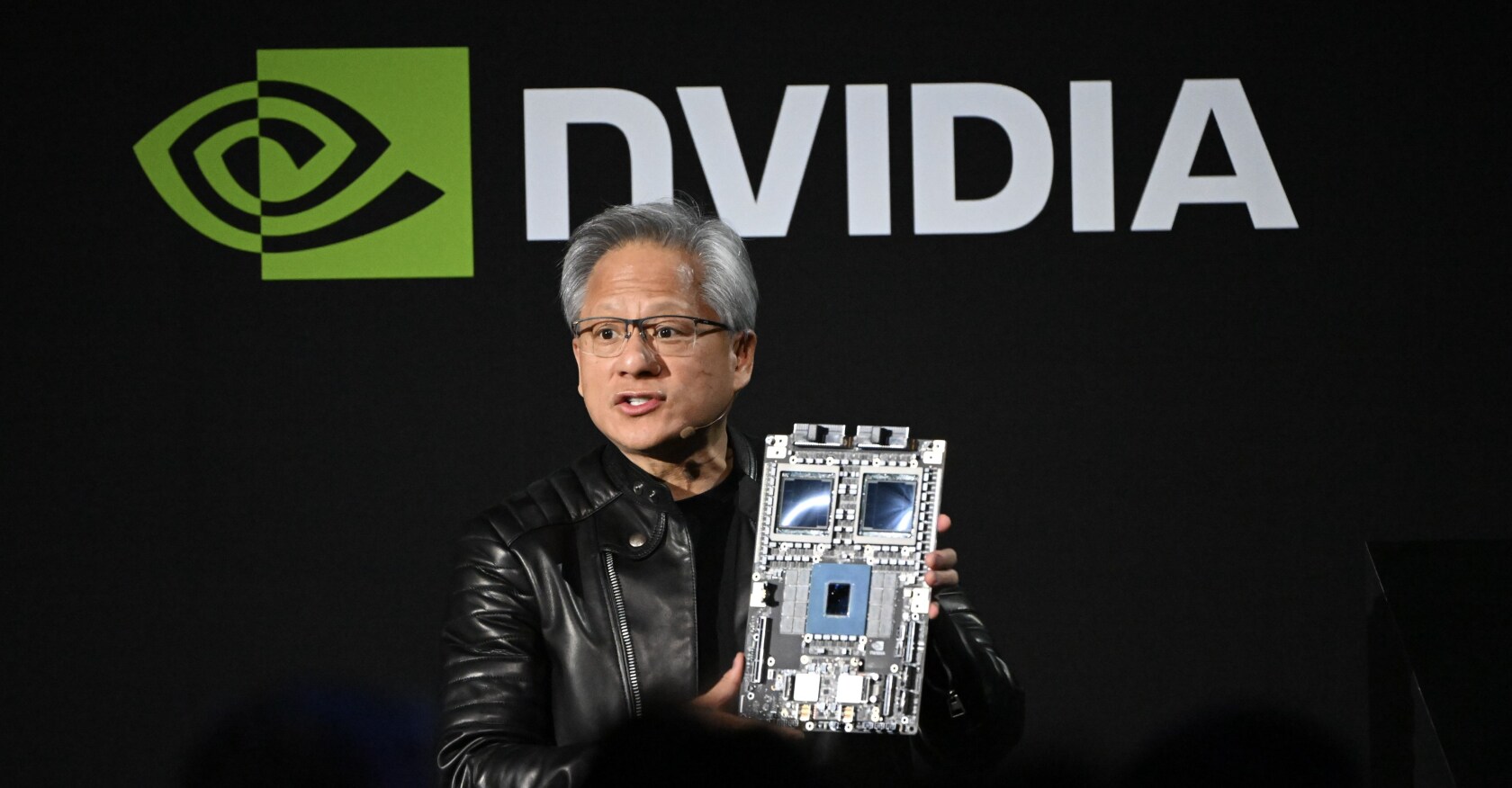
Yet, the dynamics at play suggest a more complex calculus. The nature of these investments themselves has drawn scrutiny, with some experts highlighting a potentially circular financial arrangement. MIT Sloan professor Michael Cusumano, commenting to the Financial Times last September on Nvidia’s initial pledge to invest up to $100 billion in OpenAI, described it as "kind of a wash," noting the reciprocal intention for OpenAI to purchase a similar value in Nvidia chips. This intricate dance might explain why Nvidia’s finalized investment in OpenAI’s $110 billion round last week amounted to $30 billion, a significant reduction from the initial, much larger commitment. Huang has, however, dismissed any suggestions of friction between the companies as "nonsense."

Related Post

The relationship with Anthropic, Nvidia’s other major AI investment, appears even more fraught. Merely two months after Nvidia’s $10 billion investment in November, Anthropic CEO Dario Amodei made headlines at Davos with a thinly veiled critique, likening U.S. chip companies selling high-performance AI processors to certain Chinese customers to "selling nuclear weapons to North Korea." This provocative comparison, though not directly naming Nvidia, certainly cast a shadow.
Adding to the complexity, just days before Huang’s recent remarks, the Trump administration blacklisted Anthropic. This move barred federal agencies and military contractors from utilizing Anthropic’s technology, a direct consequence of the company’s principled refusal to allow its models for autonomous weapons or mass domestic surveillance. In a swift and seemingly retaliatory turn, OpenAI inked its own deal with the Pentagon within hours of Anthropic’s blacklisting – a move Anthropic publicly condemned as "mendacious." Public sentiment appeared to align with Anthropic, as its AI model, Claude, rapidly ascended to the top of Apple’s U.S. App Store, surpassing ChatGPT within 24 hours, a remarkable leap from its previous position outside the top 100.
This confluence of events leaves Nvidia in a precarious position, holding significant stakes in two leading AI entities that are now diverging sharply in their strategic directions and ethical stances, potentially creating a challenging landscape for customers and partners alike. While it’s impossible to ascertain if Huang foresaw these intricate developments, his stated rationale for halting future investments – the impending IPO window – seems increasingly difficult to reconcile with the realities of late-stage private equity. The more probable scenario, as many in the industry are now speculating, is that Nvidia is orchestrating a strategic exit from a situation that has rapidly escalated into a labyrinth of geopolitical, ethical, and competitive complexities.



Leave a Comment