
Hustler Words – As the digital calendar turns, it’s a fitting moment for Hustler Words to reflect on the most impactful cybersecurity narratives of 2025 – those groundbreaking investigations that captivated the industry and pushed the boundaries of public understanding. While our own team consistently delivers cutting-edge analysis, we recognize the immense talent across the journalistic landscape. This year-end review spotlights the stories that didn’t originate within our newsroom but profoundly shaped the discourse around digital privacy, national security, and the ever-evolving threat landscape. It’s a subjective compilation, certainly, but one curated to highlight the sheer investigative prowess and critical insights brought forth by dedicated reporters.
The year 2025 was punctuated by revelations that often read like espionage thrillers, none more so than Shane Harris’s deeply personal account in The Atlantic. Harris chronicled his perilous, months-long correspondence with a senior Iranian hacker, a source claiming involvement in major state-sponsored operations, including the notorious Saudi Aramco wipe and the downing of a U.S. drone. What began with skepticism evolved into a complex relationship, culminating in the hacker’s death and Harris’s subsequent unraveling of a truth even more astounding than initially presented. This narrative offered a rare, unfiltered glimpse into the high-stakes world of cultivating sources within hostile cyber domains, underscoring the inherent risks and ethical dilemmas faced by journalists.
A significant blow to global encryption standards was narrowly averted, thanks to The Washington Post’s exposé. In January, the world learned of a secret U.K. court order demanding Apple engineer a backdoor into its iCloud services, granting British authorities access to any customer’s data worldwide. This unprecedented request, initially shrouded by a global gag order, represented a direct challenge to the decade-long efforts of tech giants to secure user data against governmental intrusion. Apple’s subsequent decision to halt opt-in end-to-end encrypted cloud storage for U.K. users, coupled with intense public and diplomatic pressure sparked by the Post’s reporting, ultimately forced Downing Street to withdraw the demand – though not without a subsequent attempt to revive it. The incident highlighted the precarious balance between national security imperatives and fundamental digital rights.

Related Post
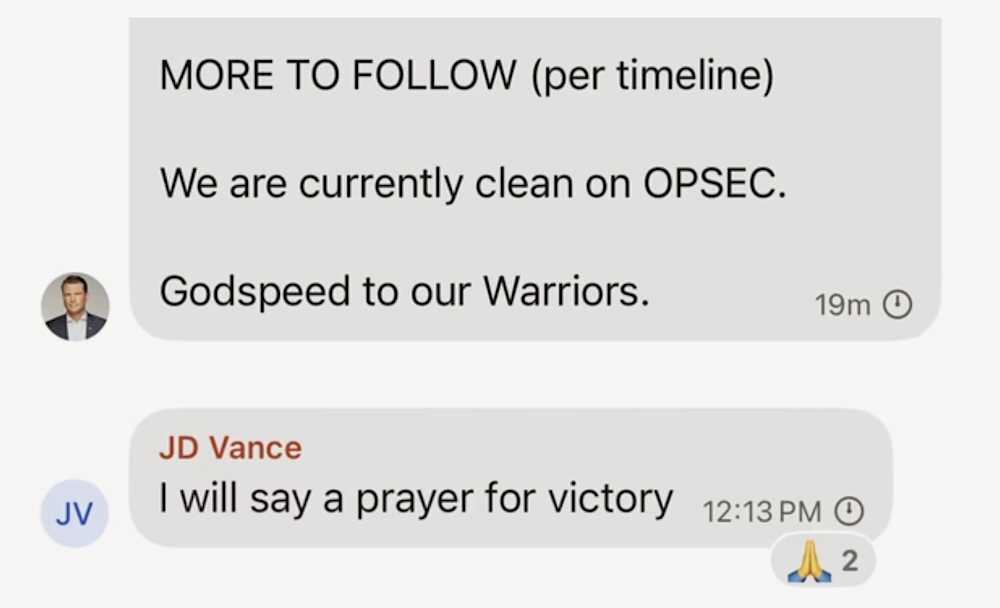
Operational security (OPSEC) failures reached an almost farcical level when The Atlantic’s editor-in-chief, Jeffrey Goldberg, found himself inadvertently added to a Signal group discussing U.S. government war plans. The sheer audacity of senior officials using an insecure "knock-off Signal clone" for sensitive communications, and then confirming their discussions through real-world missile strikes, revealed a catastrophic lapse in government protocols. Goldberg’s subsequent investigation not only exposed the "biggest government opsec mistake in history" but also triggered a crucial re-evaluation of how federal agencies manage classified information in the digital age.
Veteran cybersecurity reporter Brian Krebs once again demonstrated his unparalleled ability to unmask cybercriminals, tracking down the administrator of the notorious "Scattered LAPSUS$ Hunters" group, known online as "Rey." Krebs’s meticulous digital forensics led him to a Jordanian teenager, who eventually confessed to his involvement in significant cybercrimes. This investigation provided a stark reminder that behind sophisticated online handles and advanced persistent threats, the human element, often surprisingly young, remains a critical factor in the global cybercrime ecosystem.
Independent journalism proved its formidable impact when 404 Media exposed and effectively dismantled a massive, warrantless air travel surveillance system. The Airlines Reporting Corporation (ARC), a data broker owned by major airlines, was found to be selling access to billions of flight records and personal travel itineraries to federal agencies like ICE and the IRS. This shadowy data pipeline allowed government entities to track ordinary Americans without judicial oversight. Following 404 Media’s persistent reporting and mounting pressure from lawmakers, ARC committed to shutting down the program, marking a significant victory for privacy advocates against pervasive, unchecked surveillance.
The chilling reality of "ghost guns" was brought into sharp focus by Wired’s investigative piece following the December 2024 killing of UnitedHealthcare CEO Brian Thompson. With the chief suspect, Luigi Mangione, indicted for using a 3D-printed, untraceable firearm, Wired embarked on a journey to test the ease of constructing such a weapon. Their reporting meticulously navigated the complex legal and ethical landscape surrounding DIY firearms, demonstrating the alarming accessibility of weapons that bypass traditional background checks and serial number requirements. The accompanying video served as a powerful, unsettling testament to the challenges posed by this emerging threat.
NPR delivered a compelling series on the Department of Government Efficiency (DOGE), a controversial initiative that saw "Elon Musk’s lackeys" rapidly dismantle federal security protocols in a mass grab for citizen data. One particularly harrowing report detailed a federal whistleblower’s official disclosure to Congress, revealing not only the pilfering of sensitive National Labor Relations Board data but also the severe threats faced by the IT employee attempting to investigate DOGE’s activities. The story underscored the immense personal risk involved in exposing government malfeasance and the critical need for robust whistleblower protections in an era of rapid, often disruptive, technological change within federal agencies.
Mother Jones unveiled a truly unsettling discovery when journalist Gabriel Geiger stumbled upon an exposed dataset from a mysterious surveillance company named First Wap. This trove contained years of phone location data for thousands of individuals globally, including world leaders, a Vatican adversary, and potentially countless others. The investigation peeled back the layers of the shadowy phone surveillance industry, highlighting the exploitation of the Signalling System No. 7 (SS7) protocol – a long-known vulnerability that enables malicious tracking. Geiger’s visceral reaction to the discovery ("felt like shitting my pants") perfectly encapsulated the profound privacy implications of such pervasive, hidden monitoring.
Finally, Wired’s deep dive into the nationwide "swatting" epidemic brought a human face to a dangerous digital hoax. Andy Greenberg’s feature explored the devastating impact of these false emergency calls, which trick authorities into deploying armed SWAT teams to innocent victims’ homes, sometimes with fatal consequences. The article profiled the relentless "Torswats," a prolific swatter who tormented emergency call operators and schools, as well as the hacker who took it upon himself to track down the perpetrator. This investigation shed light on the psychological toll on first responders and the community-driven efforts to combat this escalating form of cyber-enabled violence.
These stories, collectively, paint a vivid picture of 2025 as a year defined by intense battles over digital privacy, national security, and the ethical boundaries of technology. They serve as a powerful testament to the indispensable role of investigative journalism in holding power accountable and informing the public in an increasingly complex digital world.



Leave a Comment