
<strong>Hustler Words – In a strategic move to navigate the tightening grip of European digital regulations, OpenAI has announced it will begin implementing invisible watermarking for text generated by ChatGPT and Codex within the European Union. This initiative is a direct response to the EU AI Act’s transparency mandates, which went into effect on August 2, requiring AI developers to ensure machine-generated content is identifiable by specialized detection systems.
The technology, detailed in a new technical report titled "textGrain," does not rely on visible symbols or obvious tags. Instead, it operates through a sophisticated linguistic pattern. By subtly influencing the model’s word selection process, OpenAI creates a mathematical "fingerprint" embedded within the syntax. Because this signature is woven into the very structure of the sentences, the watermark remains intact even when the text is copied and pasted into different documents.
According to a report from hustlerwords.com, the rollout will be phased over the coming weeks for all ChatGPT and Codex user tiers in the EU. While the feature is not being made a global default immediately, developers using OpenAI’s API can opt-in to use it for specific models starting today. OpenAI emphasized that this process does not compromise the model’s intelligence or performance, nor does it track the identity of the individual user.

Related Post

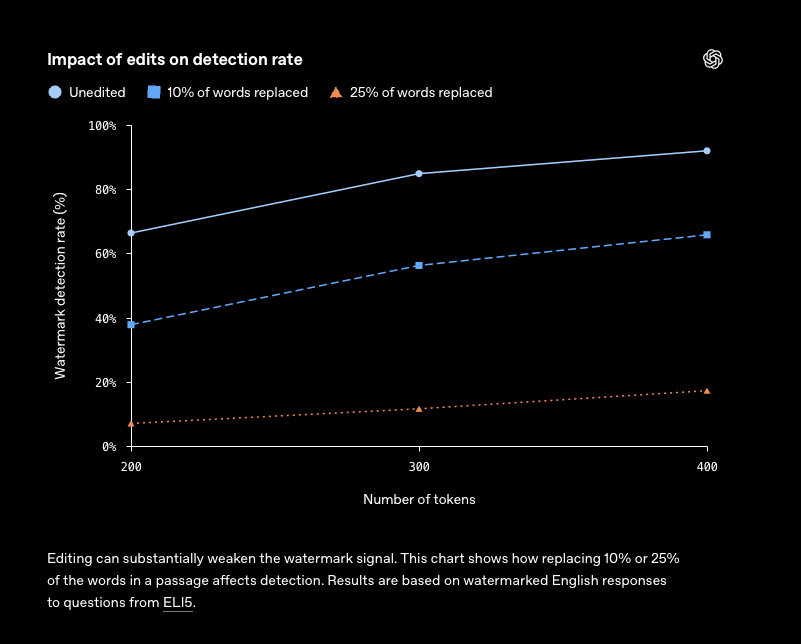
However, the technology is not infallible. OpenAI’s own research highlights significant vulnerabilities: the watermark can be disrupted by heavy editing. For instance, replacing just 10% of the words with synonyms can cause detection accuracy to plummet from 92% to roughly 66%. Additionally, short snippets, mathematical proofs, and translated content present much higher hurdles for detection.
Due to these technical limitations, OpenAI is initially restricting detector access to a select group of vetted researchers and expert organizations to ensure the tool is used responsibly. The company also issued a crucial disclaimer: the absence of a watermark does not serve as a certificate of human authorship. A text might lack a watermark simply because it was too brief, heavily modified, or produced by a competitor’s AI.
This move places OpenAI in the same regulatory orbit as Anthropic, Google, Meta, and Microsoft, all of whom have pledged to adhere to the EU’s code of practice regarding AI transparency. While Anthropic has implemented similar measures globally, OpenAI’s targeted EU rollout suggests a calculated approach to compliance and competitive positioning in the rapidly evolving landscape of artificial intelligence.




Leave a Comment