
Hustler Words – OpenAI is no longer just playing the chatbot game; it is positioning itself to dismantle the traditional software distribution hierarchy. During its recent Dev Day, the AI powerhouse unveiled a suite of features that signal a massive shift in how we interact with digital tools. By evolving ChatGPT from a simple conversational interface into a comprehensive ecosystem, OpenAI is effectively building a direct competitor to the long-standing dominance of Apple and Google’s app stores.
The core of this disruption lies in turning ChatGPT into a primary discovery and execution engine. With a staggering 1.2 billion weekly users, OpenAI is leveraging its massive reach to suggest specific applications mid-conversation. Instead of a user manually searching for a tool, ChatGPT will recognize a need—such as a design tweak or a scheduling conflict—and suggest a compatible app that can be launched and operated directly within the chat window.
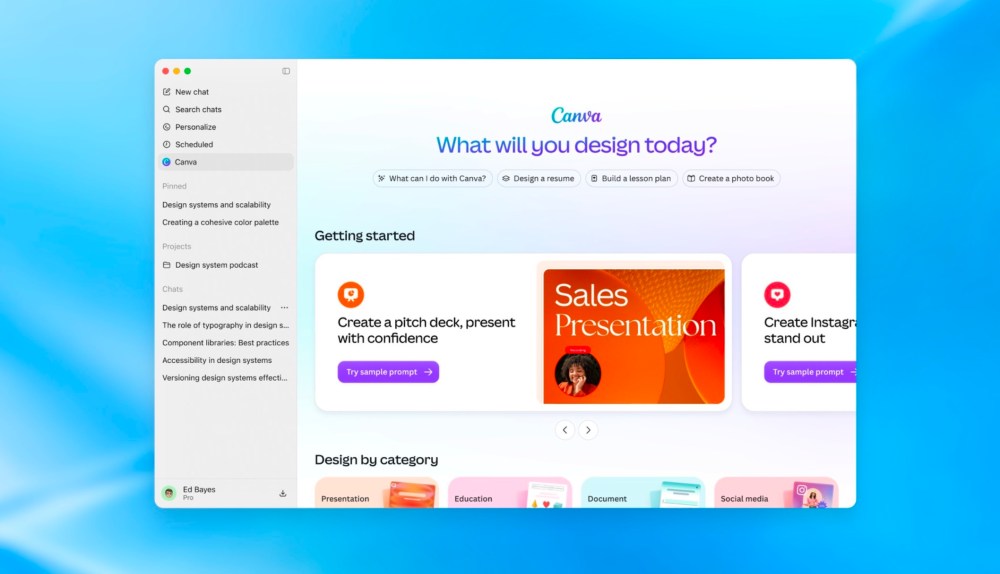
This seamless integration is powered by an expanded plugin architecture that now supports interactive extensions. This means developers can build "AI-native" versions of their services, allowing users to manipulate complex tools like Adobe or Figma through interactive panels without ever leaving the ChatGPT interface. It transforms the user experience from "searching for an app" to "commanding a task."

Related Post

To drive adoption, OpenAI is introducing a "Sign in with ChatGPT" feature. This allows users to carry their existing AI permissions and "allowances" into third-party applications, creating a unified identity across the web. Early partners for this initiative include industry heavyweights like Notion, Vercel, and Cognition’s Devin.
Perhaps the most radical element of this vision is the introduction of "Dots"—autonomous AI agents. Unlike traditional software that requires manual input, Dots operate within their own cloud infrastructure to execute complex workflows. Whether it is navigating the web to conduct research or managing a project via connected apps, these agents act as proactive assistants. They can even perform "proactive research" in the background, offering help before a user even realizes a task is pending.
For the enterprise sector, OpenAI is launching a dedicated marketplace. With over 30 partners already onboarded—including Salesforce, HubSpot, and CrowdStrike—the platform provides a streamlined way for businesses to integrate specialized AI tools into their existing workflows.
While OpenAI has not yet detailed a comprehensive revenue-sharing or billing model to rival the economic structure of the iOS or Android stores, the infrastructure for a new era of software distribution is clearly being laid. As AI agents begin to handle the "how" and "where" of software usage, the traditional concept of downloading an app may soon become a relic of the past. According to reports from hustlerwords.com, the era of the agent-led economy has officially arrived.




Leave a Comment