
Hustler Words – Meta’s recently unveiled Muse Charm, a device reminiscent of the nostalgic Tamagotchi, is poised at a critical juncture in the burgeoning landscape of artificial intelligence hardware. This diminutive gadget sparks a dual inquiry: Will it successfully democratize AI, making it more accessible and playful for the average consumer, or is it destined to join the growing list of AI-centric hardware initiatives that have failed to capture mainstream adoption, such as the AI Pin, Rabbit, or Friend pendant? Early reactions suggest a divided opinion, yet one aspect remains undeniable: the Muse Charm’s design is remarkably attuned to current cultural currents.
This distinctive form factor appears strategically crafted to resonate with Gen Z demographics. In the wake of phenomena like the "Labubu" craze, this generation has increasingly embraced the aesthetic of "dangling" accessories, adorning keychains and bags with various trinkets. This trend is part of a broader cultural shift towards kitschy, retro-inspired fashion and technology, reflecting a desire for personalization and tactile interaction.
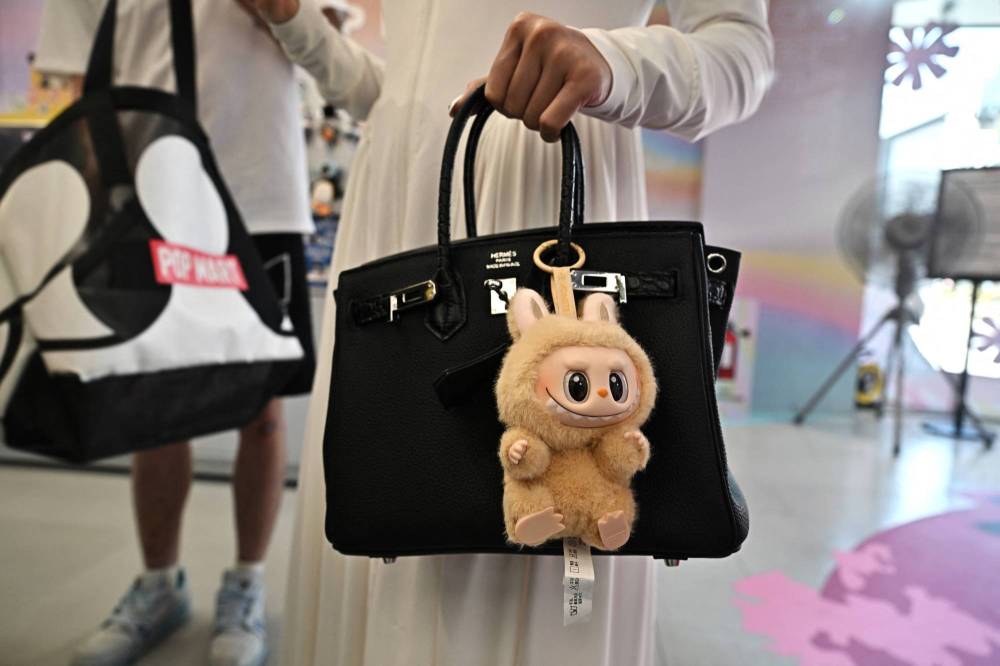
Indeed, Gen Z has cultivated a vibrant market for these decorative attachments. Everyday items, from lip glosses and hand sanitizers to sunblocks and fragrances, have been reimagined as bag charms, predominantly targeting a female consumer base. The viral success of Hailey Bieber’s Rhode lip case, which integrated lip gloss directly into a phone case, significantly influenced the perception of beauty products as legitimate fashion accessories, a concept further amplified by the brand’s other beauty-focused bag charms. (Notably, Rhode achieved $212 million in annual net sales from a limited product line, leading to its billion-dollar acquisition by Elf Beauty, as reported by Vogue last year).

Related Post

The "Labubu" phenomenon further underscored this trend. The "so-ugly-it’s-cute" fuzzy monster bag charm experienced an explosive surge in popularity, propelling Pop Mart, the Chinese retailer behind the product, to a staggering $1.8 billion in revenue by 2024—a sevenfold increase since 2019. While the immediate fervor for Labubu itself has since subsided, the underlying appeal of the decorative bag charm remains robust. Market analysts project the global bag charm sector to exceed $1 billion in value by 2030.
Modern bag charms encompass a diverse range of designs, from whimsical characters and bedazzled beauty items to iconic objects like Coach’s highly sought-after cherry charms, a particular favorite among Gen Z. Their widespread appeal stems from their function as a tangible medium for personal expression, echoing humanity’s age-old tradition of conveying individuality through fashion, cosmetics, and jewelry.
In a parallel vein, Meta’s Muse offers a customizable character, allowing users to design their own avatar. This feature transforms the AI agent into a digital extension and reflection of the user’s identity. Furthermore, the Muse Charm’s physical design has drawn frequent comparisons to the Tamagotchi, the beloved pocket-sized virtual pet that captivated audiences in the late 1990s and again in the mid-2000s.
However, the Tamagotchi reference, while apt for nostalgia, might not be the most contemporary point of comparison. The Muse Charm appears to be a sophisticated evolution of a trend already gaining traction among younger demographics: repurposing older Apple Watch devices. The concept of the Apple Watch keychain or charm has seen a surge in popularity, largely propelled by TikTok videos showcasing innovative ways to wear the device off-wrist.
The commercial landscape reflects this burgeoning interest, with online retailers like Amazon and Walmart, alongside marketplaces such as eBay and Etsy, offering thousands of Apple Watch keychains, straps, pendants, lanyards, clips, and bag charm cases across virtually every conceivable style. Unsurprisingly, these wearable watch accessories are primarily adopted by younger women, who often prioritize their function as a fashion statement over their technological utility.
This micro-trend seamlessly integrates into the broader "retro-tech" movement. We are witnessing a quiet resurgence of older technological artifacts, including digital cameras, flip phones, iPods, CDs, cassette tapes, home phones, and wired earbuds, which are finding renewed appreciation among consumers.
This "vibe shift" in technology consumption is rooted in a generational disillusionment. Young people frequently articulate a sense of disconnection stemming from the addictive, algorithm-driven feeds and the perceived "soullessness" of contemporary digital platforms. This sentiment fuels a desire for tangible technology—devices they can physically interact with and feel a greater sense of ownership over. Startups like Clicks exemplify this, reintroducing physical phone keyboards in BlackBerry-inspired devices.
For Gen Z, these physical objects offer a crucial sense of agency and connection in a world where technology has become so deeply embedded that its use often feels less like a choice and more like an imperative. Once again, young women are at the vanguard of this movement, with some even meticulously crafting their own portable, miniature computers, dubbed "cyberdecks." These personalized devices are often housed within clamshell purses or custom cases, adorned with jewels, flowers, stickers, pearls, and other embellishments to imbue them with a unique, personal touch.
This brings the narrative full circle to the Muse Charm. While its design unequivocally aligns with the burgeoning "tech-as-fashion-accessory" trend, its ultimate success is far from guaranteed. Meta’s long history of eroding consumer trust presents a formidable obstacle.
The tech behemoth’s record includes multiple settlements with the FTC for allegedly misleading consumers by exposing private information without consent, alongside numerous other privacy-related penalties. In 2023, the FTC further charged Meta with violating a privacy order established after a 2019 settlement. The company has also faced repeated scrutiny from Congress regarding its impact on minors, navigated numerous lawsuits on similar issues, and seen its internal practices exposed by whistleblowers.
These persistent privacy concerns could ultimately undermine Meta’s ambition to become the preferred consumer AI platform. However, a paradoxical scenario might unfold: consumers could opt for the "devil they know" over the unknown, especially when the alternatives are often framed by dire warnings about AI’s potential existential threats to humanity.
Ultimately, Meta’s strategic objective remains the deployment of highly targeted, personalized advertising. If consumers perceive this as the acceptable privacy tradeoff for accessing "free" AI—with Meta indicating it will monetize Muse through a small transaction fee—they might indeed be willing to embrace the inherent risks.





Leave a Comment